The lives of all people matter.
The lives that I don’t know matter.
My life matters.
I started my career as a management consultant for large corporate clients—this work often felt like I was working on someone else's terms, solving problems that often felt extractive and templated.
In a stubborn fit, I pivoted into designing human-centered business and marketing practices, wanting to challenge the default that business is a zero-sum game. I went to graduate school at Parsons School of Design/The New School to test that idea across disciplines. One of the most meaningful experiences I had there was in Professor Gina Luria Walker's class, Becoming Visible. I never thought of myself as a researcher. In her class, I became one anyway, and something in me opened up.
As both a student and teaching assistant in Professor Walker’s class, I facilitated student discussions while also doing its core task myself: choosing a woman from the past to recover.
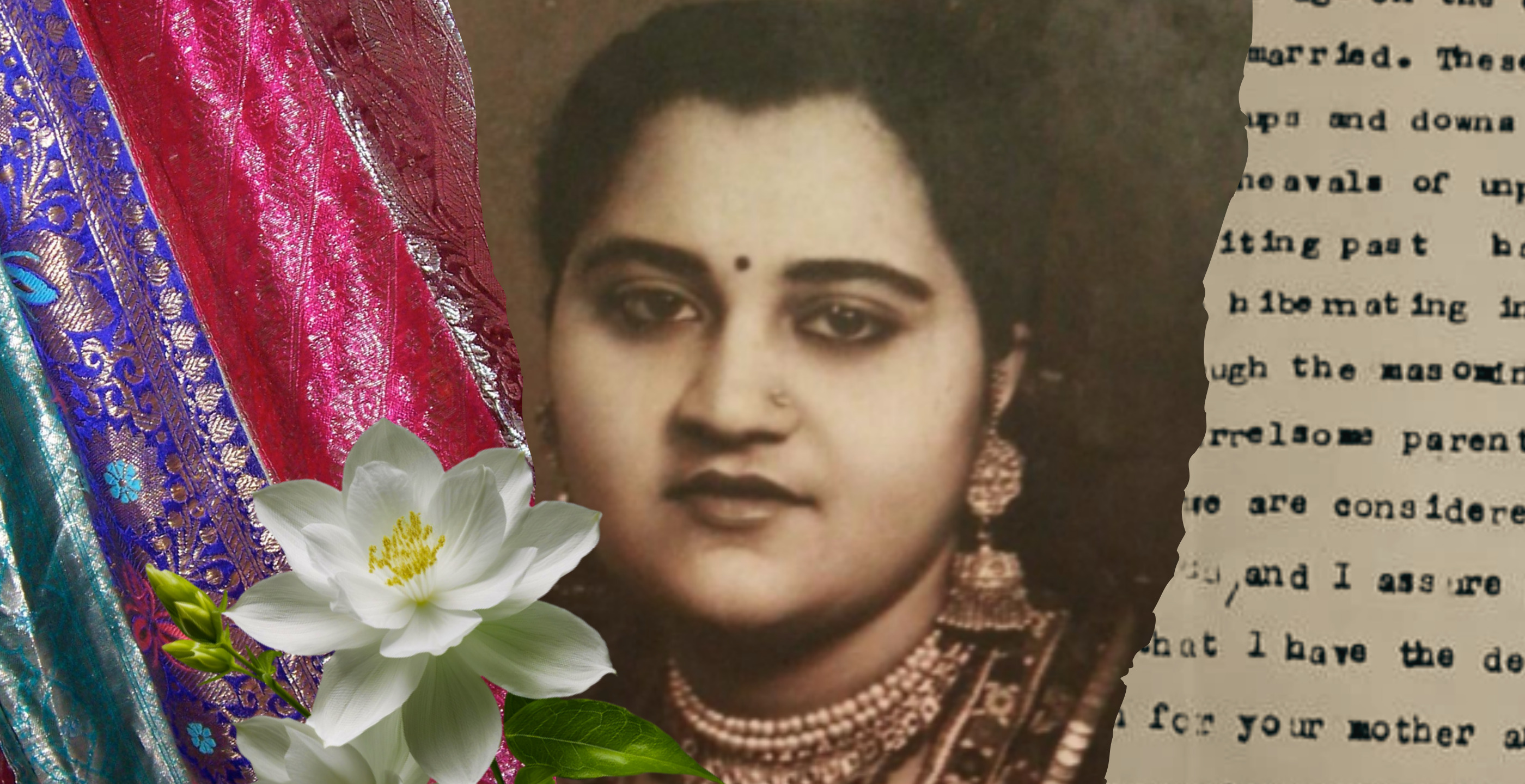
I chose to uncover the life of my husband's late grandmother, Anees. Through letters, family conversations, and heirlooms, she came into focus in vivid fragments: saris that held the scent of jasmine, a girlhood spent devouring romance novels on verandas, a little lady on horseback, blouses cut low in a society that expected modesty from her. She loved her husband and children fiercely, and was loved back in kind. Near the end of his life, he wrote her a letter so full of feeling it reads as the storybook romances she had grown up on, a devotion that era had no room for and yet existed anyway. I turned what I found into a minute-long sound piece: her daughter's voice, recounting her mother's life. It still transports me.
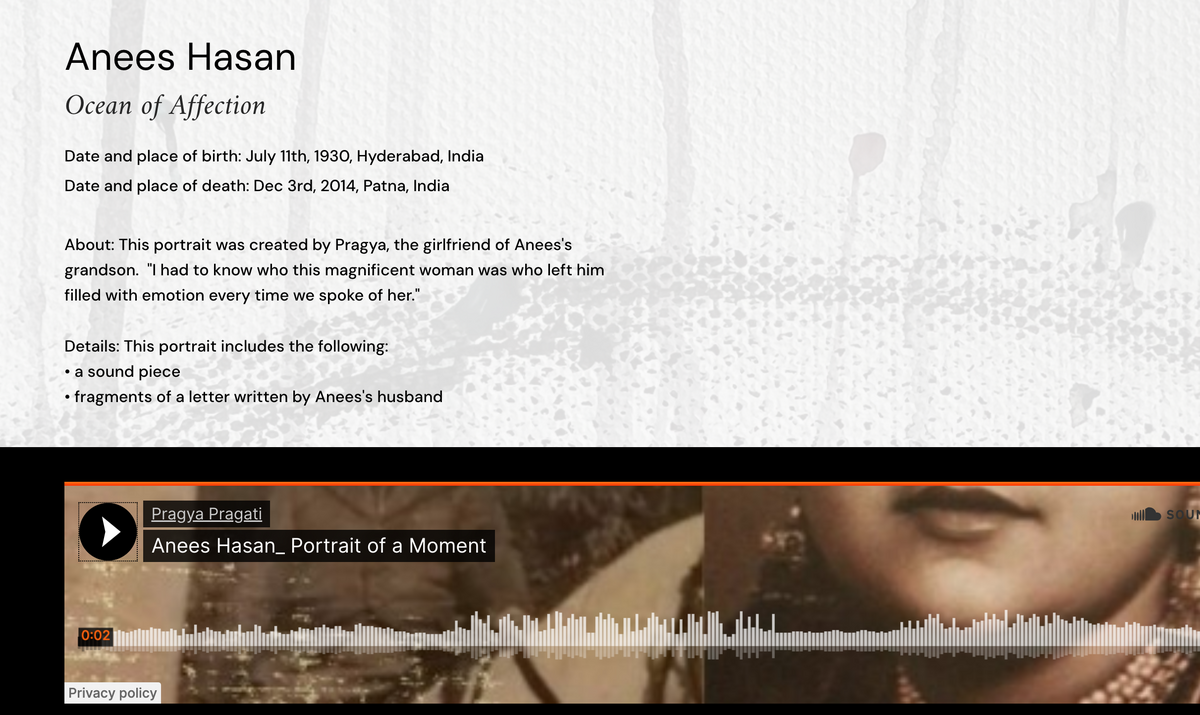
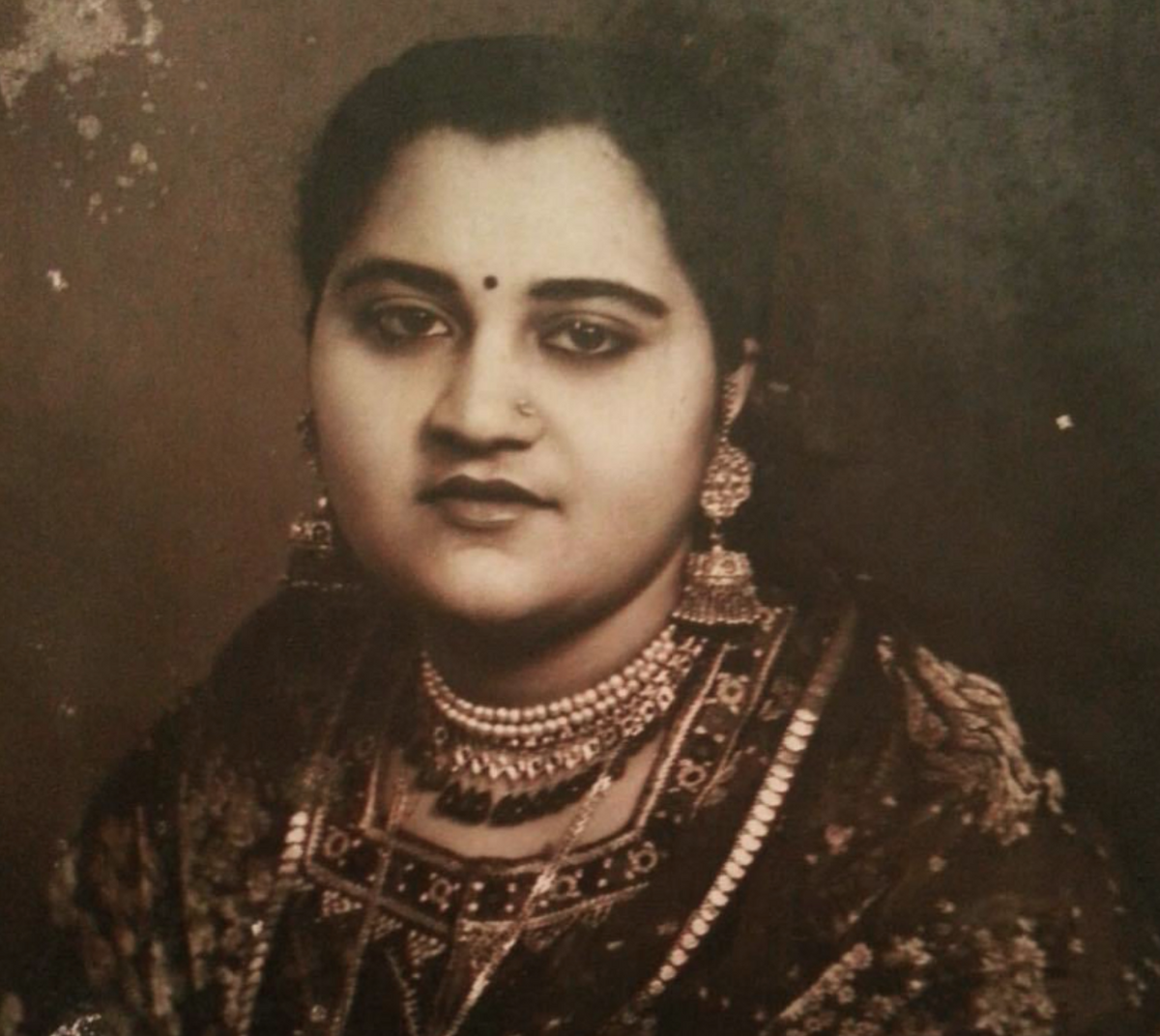
Anees's life — her rebellions, dedication to community, and love that outlived convention — felt like a declaration of the inherent dignity of all lives. Conjuring a woman I had never met into fullness became a prerequisite for engaging with my own life—for believing that my life matters, too.
"Feminist historical recovery," as Professor Walker calls this work, is a reliable tool for conjuring and expanding our capacity to document histories that whisper and leave only traces. We followed those traces with patience, nurturing whatever curiosity a hunch could survive on.
Dialogue in Becoming Visible carried the same charge: encouragement, honest connection, a willingness to sit inside complicated histories. Each class we discussed what we found with an intimate depth. That flavor is what became the pulse of the class and each student’s project. A deeply encouraging environment in our quest for recovering women of the past. A cacophony of lives came into view, enabling my successive epiphanies:
Lamassi—Ancient businesswoman in Assur and Kanesh
Anees—My husband's late grandmother
Christine de Pizan—Italian and French Medieval and Renaissance writer known for authoring some of the earliest pieces of feminist literature
Berta Isabel Cáceres Flores— Honduran activist against capitalist neo extractivism and a Lenca indigenous leader
Sappho—Ancient Greek lyric poet whose influence persists today
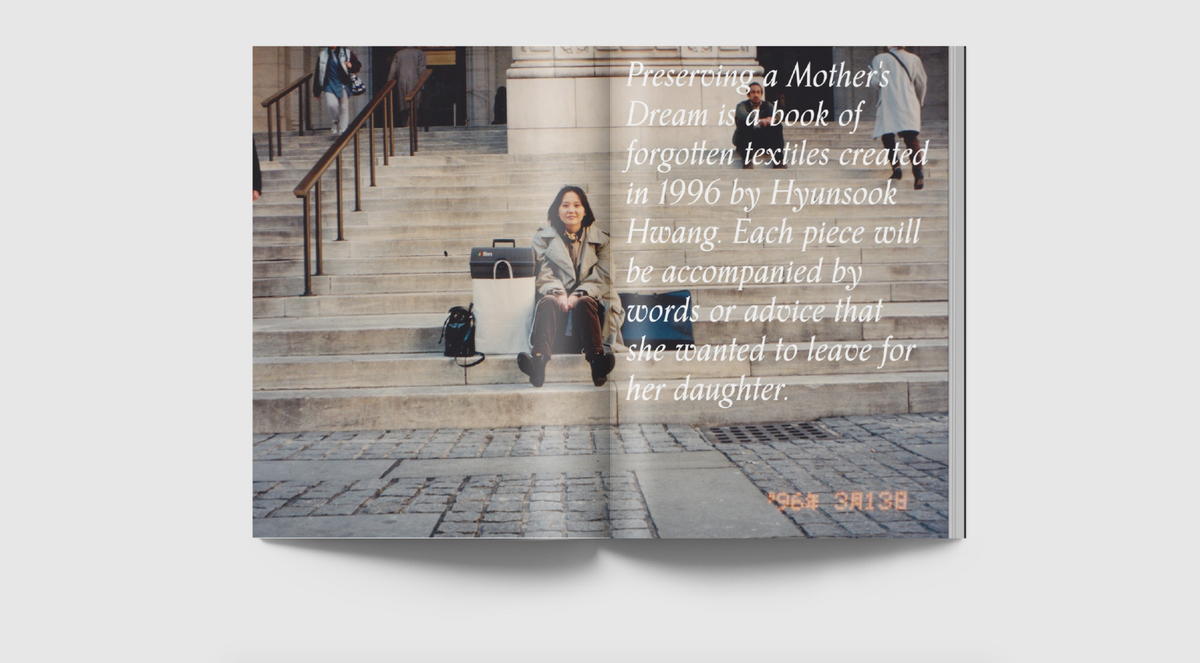
A tender student, talking about her late mother's textile work—the few surviving pieces she holds onto to get to know her mother more deeply, to honor her memory with her across time.
Those stories, and the dialogue around them, became the groundwork for my graduate thesis in Transdisciplinary Design. The question it posed: how can feminist historical recovery extend to young people and non-scholars, as well as students and scholars, giving new breath to how people engage with the past, formally and informally?
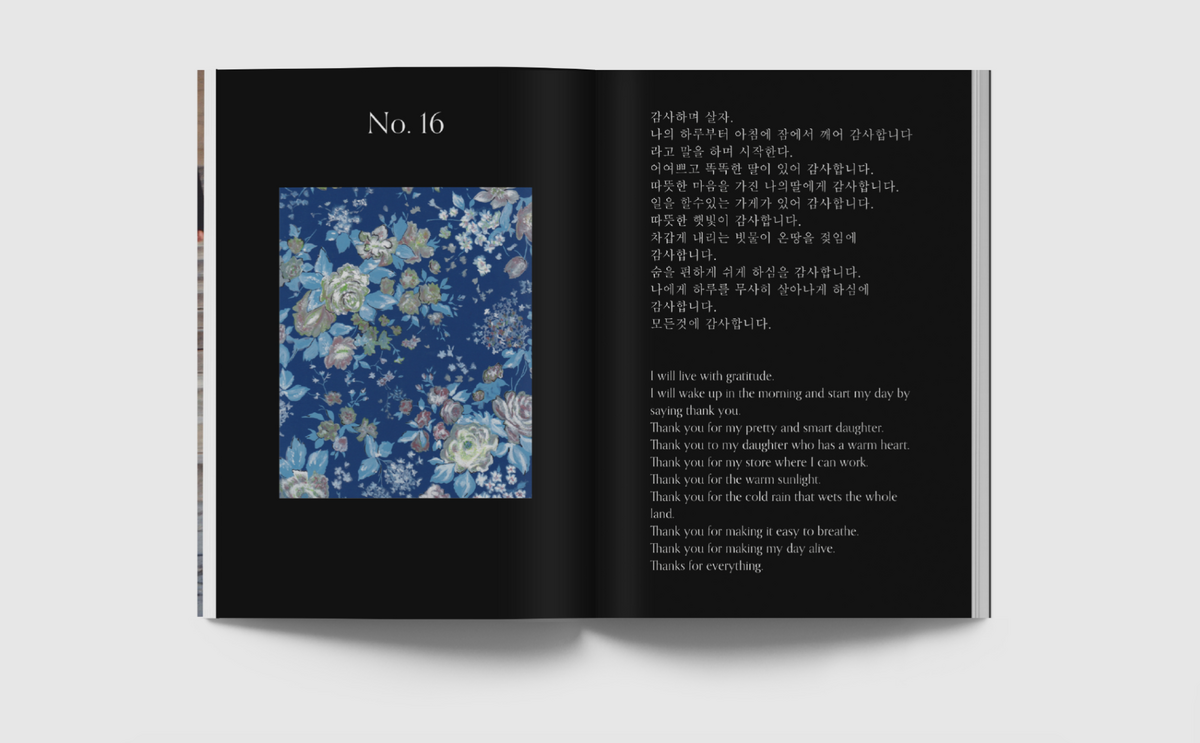
So I built Portraits of a Woman's Life—a practice in which students uncover a woman in history through a collaborative process that starts from the self: personal reflection, the recovery of forgotten artifacts, sensemaking, and then expression, in whatever form the material demanded.
Mine became a sound piece: Anees's life, in her daughter's voice. Another student built a book of forgotten textiles, in honor of a mother she'd lost—fabric and feeling standing in for a language neither of them had finished speaking. A third wrote a poem with photographs and her mother's belongings, until the page itself felt like an honest and intimate homage. Underneath it all sat one question: how does a generation relate to identity and agency through an earlier one? This experience of creative historical recovery becomes a seed for new forms of history-making—a practice for high schools and adult learning environments alike. It is a practice that Gina, my mentor and advisor since that first class, and I are still shaping together: how to carry this impact to more and more people, further into the future.
I knew that this work could not end there. It led me into consulting, where I now run an independent practice focused on human-centered transformation for businesses and institutions.
The Portraits Project often returns to me. In conversations with frontline workers, or when parsing the culture beneath an organization's official story, the informal systems — the relationships nobody put in a deck — hold the real information. When I map the human dimension of a company the way I once mapped Anees's life, I feel myself returning to the same ritual.
I remember the deep learning from Professor Walker’s class, when I engaged with a large consumer goods company, assessing culture across its divisions—one, a chain of veterinary clinics. Clinic after clinic, sitting with the day-to-day, I found the same thing I had found in Anees's letters: agency, ingenuity, and strength in a hidden culture headquarters had mostly overlooked. Straightforward, human conversations surfaced hidden truths. The clinics needed more breaks, better shift coverage, more inclusion from HQ, and those small fixes carried outsized weight for the company's hardest-working teams. That fieldwork became the evidence behind one of its biggest strategic bets.
Another project, commissioned by the Department of Tourism UAE, was a narrative strategy for a diplomatic event celebrating the friendship between the UAE and China. This experience also drew on that same quality of engagement and exploration of human histories. We built the narrative around weaving—a motif bridging both cultures through the shared story of artisans and ancestral women, illustrated across posters and invitations, and carried into a video installation guests could walk through. Over 5,000 people came. A public space became a place to unite and celebrate diversity and connection.
Today, every time I build a room for public spaces, or interpret the quiet human systems inside an organization, I still call on the qualities of engagement from Becoming Visible. I would summarize it as:
Find evidence of a life
Dance with it
Talk about it
Hold your purpose close (and with a little levity), then do it again.
None of this requires a special skill set, only the willingness to handle small, ordinary materials with enough attention so that they start to speak: a sari, a shelf of forgotten fabric, a shoebox of letters, a voice on a recording. Handled well, they become evidence that a life was here, and mattered.
I stubbornly believe this kind of attention — to informal systems, to buried textiles, to ordinary conversations — will only be in greater demand, as we reckon with how we decide, and how we speak to one another.
That dialogue isn't finished—not for The New Historia, or for those embarking on the journey of making new meaning of the past, and telling stories never told before.
The future demands people dedicated to feminist historical recovery—to this wonder of accurately summoning lives lost and erased, past, present, and future. Anees was one. There are so many others.
Bio
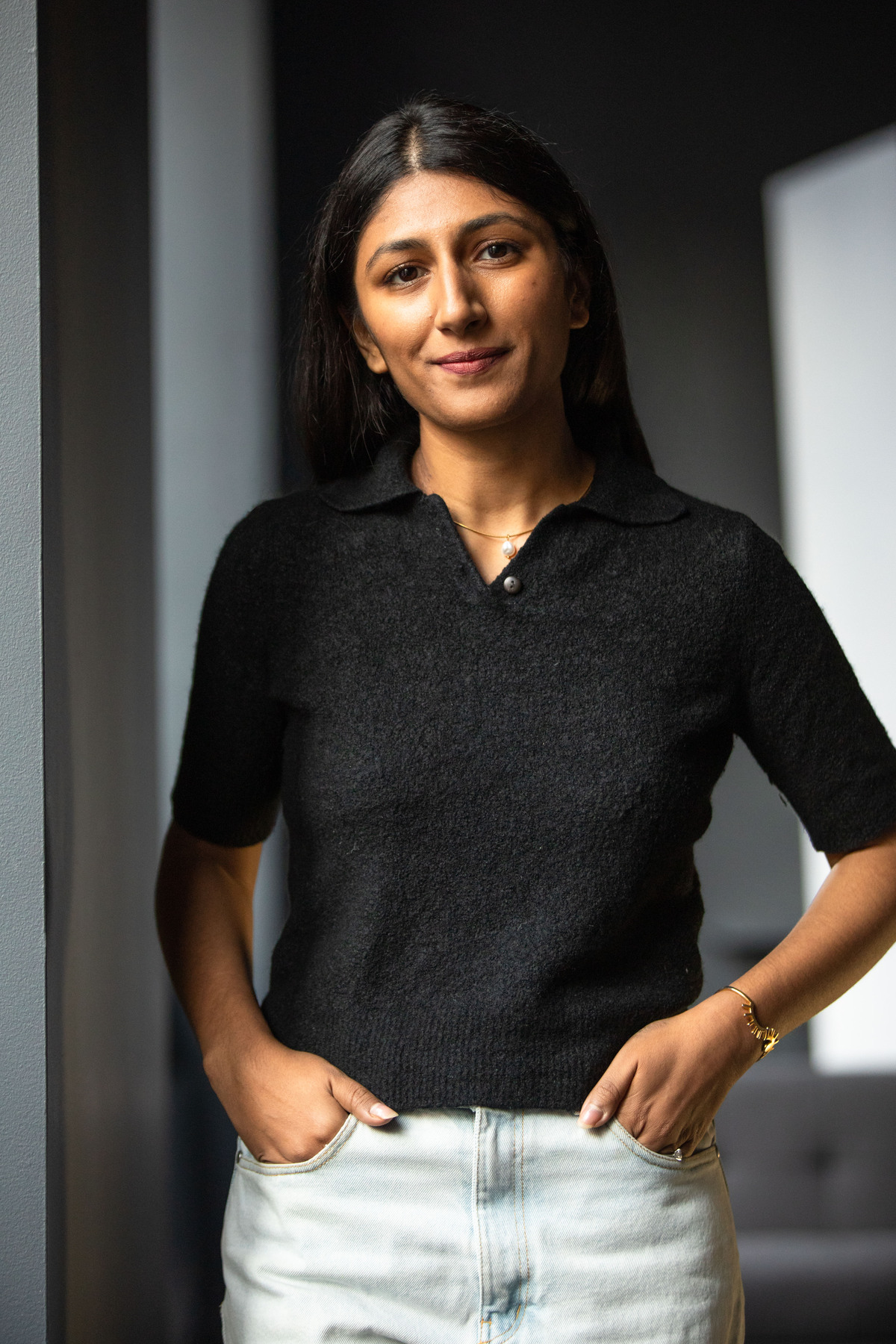
Pragya is a maker-strategist working at the intersection of organizational design, brand strategy, and futures research, with over a decade in transformation work—standing up new products, redesigning organizations from the inside out, and leading brand strategy for clients including American Express, Stripe, Mars, Macy’s, and the UAE’s Department of Tourism. Her practice sits between rigor and intuition: research focused enough to hold a business’s hardest realities, dialogue open enough to let a story emerge rather than be imposed. She works alone as often as she assembles a room of specialists, orchestrating teams across disciplines and cultures.
Comment
Your message was sent successfully