Birth
1728
Death
1798
Sant Dayabai’s name is recorded in the history of devotional poetry in India as an epitome of guru bhakti (devotion to one’s guru). Her guru was Sant Charandas Maharaj (1703–1782), whose teachings focused on the simple path to realizing the divine by eschewing all unnecessary rituals and social rigidities, such as caste hierarchies and false religiosity. Charandas lived in Delhi and composed many devotional and yoga texts in sadhukkadi bhasha (vernacular saint language), enumerating the methods and benefits of yogic spiritual practices. He also composed a text in Persian titled Muhit-i-Marifat (untranslated to this day). This text delineates the stages and methods of God realization through yoga.
The gaddis or thambas (a vernacular version of the Sanskrit sthamba, meaning “pillar”) of the tradition were spread across Alwar, Rohtak, Rewari, Delhi, Gurgaon, Kanpur, Lucknow, Bharatpur, Meerut, Aligarh, Muzaffarnagar, Chitrakoot, Vrindavan, Prayag, Jaipur, Patna, and up to Murshidabad and Darjeeling in West Bengal, as well as Kandhar in Afghanistan. W. Crooke recorded that at the end of the nineteenth century there were 161 Charandasis distributed across the districts of Muzaffarnagar, Meerut, Bulandshahr, Agra, Bijnor, Moradabad, Shahjahanpur, Cawnpur (Kanpur), Banda, Hamirpur, Jhansi, Jalaun, and Tarai. In the same census, 1,253 Charandasis were recorded in Panjab. In the Census of 1901, 1,773 Charandasis were recorded in the United Provinces, suggesting that the 161 recorded earlier may have been an error.
It was a vibrant saint tradition in its time, but presently it has lost its reach and vibrancy. From fifty-two centres, there are now hardly a handful continuing to this day. The loss of archival records, the existence of only vernacular literature that has not been translated, and the reluctance of Sant Charandas to magnify land occupation could be some reasons for this decline.
Personal Information
Name(s)
Dayabai
Date and place of birth
1728 AD, Dehra village, district Alwar, Rajasthan
Date and place of death
1798 AD, Ramel village, district Bithoor, Uttar Pradesh
Family
Mother: Name not recorded
Father: Keshavdas
Marriage and Family Life
Unmarried
Education (short version)
No formal education, composed poetry in the vernacular language.
Education (Long Version)
She had no formal education. She was initiated even before her birth by Sant Charandas, as her parents had prayed to him for a child. All learning that followed her eventual meeting with him occurred through yogic training and the transmission of bhakti (devotion) through him. Her compositions were in the vernacular language known as sadhukkadi bhasha, a mixture of Mewati, Haryanvi, Braj, and other local dialects of Hindi.
Religion
Hindu
Transformations
Daya’s parents believed that Sant Charandas’s blessings were the cause of her birth; therefore, they named her Daya, meaning grace. From childhood, the young girl would see in her dreams a man clothed in yellow, smiling or beckoning to her. Upon asking her mother, she was told that it was the darshan (divine revelation) of Sant Charandas, who always wore yellow garments signifying renunciation. As an adolescent, she refused the future of marriage that awaited her and left home in search of her guru. She managed to reach Kot Kasim, where her paternal aunt Ramabai lived. There she met Nupibai, the daughter of Ramabai and therefore her cousin. When Nupibai learned of the young girl’s devotion and her deep desire to meet Charandas, she was overjoyed, as she herself was a disciple of Sant Charandas. Through Nupibai’s help, Dayabai was able to meet Charandas and refused to return to domestic life. There she also met her relative Sahajobai, the daughter of Nupibai and a devoted disciple of Charandas. Dayabai lived with Sahajobai and Charandas for many years before leaving for Bithoor in the later part of her life. These narratives were first recorded by Shyam Sundar Shukla in his book Charandasi Sampradaya aur Uska Sahitya (1987).
Contemporaneous Network(s)
Along with her spiritual sister Sant Sahajobai, Dayabai’s name is uttered with great respect in the bhakti tradition. Upon leaving home, she stayed with Sahajobai and was mentored by her. When her guru suggested that she leave Delhi and settle in Bithoor, Uttar Pradesh, she refused, saying that she could not leave the place where her guru lived. Upon Charandas’s passing in 1781–82, she left Delhi to settle in the village of Ramel, in the district of Bithoor, Uttar Pradesh. She had many prominent and well-known fellow saints, including Shri Shyamcharan Badbhagi Ji and Sumati Bai Ji, as well as many disciples, among whom Hiradas Ji was prominent. She passed away there, and her samadhi (sacred grave) existed until a few decades ago. It has since been lost owing to land grabs and commercial construction. In the present day, although the spiritual lineage of Dayabai has been lost, that of her guru bhai (spiritual brother), Shyamcharan Badbhagi Ji, has endured.
less
Significance
Works/Agency
Dayabai composed two works titled Dayabodh and Vinay Malika (1761). They were first published as a book in 1897 in a compilation of banis (spiritual verses) by Charandasi saints that included Dayabai’s verses as well. This anthology was titled Brahmvidyasagar and was published by Tatvagyan Sabha Pustakalaya (Lahore). Later, her work was published as Dayabai ki Bani in the first decade of the twentieth century by Belvedere Press (Prayag).
Dayabodh consists of verses as metrical couplets in the following sections:
Grandeur of the Guru
Constant Remembrance
The Guru’s Word
Love
Renunciation
Spiritual Practice
Unchanted Chanting
ब्रह्म रूप सागर सुधा गहिरो अति गंभीर
आनदं लहर सदा उठे नहिं धरत मन धीर
The ocean of Brahm’s bliss1 is deep and possesses composure
My heart is filled with the waves of joy, it bursts forth in pleasure
छकें रहें आनदं में आठ पहर गलतान
अद्भुत छबी जिनकी बनी “दया” धरत मन ध्यान
Immersed in bliss, Daya savours divine joy in the eight limbs of time2
With his wonderful image in her heart, Daya meditates all time
Contemporaneous Identifications
Dayabai’s persona, devotion, and poetry are mentioned in two important hagiographies of the Charandas tradition: Shri Leelasagar by Shri Jogjeet and Gurubhakti Prakash by Shri Ramrup Ji. In the bhakti saint tradition, Dayabai’s name is uttered to this day with the utmost reverence as an icon of guru bhakti (one-pointed devotion to one’s guru). In her time, the name of Sahajobai stood with distinction, and the names of these two women saints are often uttered in unison. They were related to each other, as well as to Charandas, through their bloodline. They belonged to the same Dhusar clan, also known as the Bhargava community of Brahmins.
There were many other women disciples in this tradition, including Nupibai (also referred to as Anupibai), Khushla Bai, Jan Begum, Suraj Kanwar Bai, Hariya Bai, Sumati Bai, and many others, including the transgender saint Ramsakhi Ji Maharaj. In its time, women disciples who became gurus in their own right were clearly present in this tradition. Over time, few women mahants (in charge) remain, with the exception of Geeta Bai Sa, whom the researcher met in Machal village, district Alwar, Rajasthan, on April 30, 2024.
Reputation
Dayabai was encouraged by her guru Charandas to go forth in preaching bhakti and training disciples in yoga. She went to Kanpur and Bithoor and eventually settled in Bithoor, near the banks of Ganga. There is a narrative available in the scant writings about her life that highlights the extent of her reputation in her own time. It is narrated that the king (likely the nawab, a subsidiary of the Mughal emperor) heard of her fame as a saint, and he sent an emissary to check if her fame was true. When the deputed man tried to peek into her cottage, he was stunned by a dazzling light that enveloped Dayabai and, as a result, he fainted. The next morning, he carried the message of her extraordinary persona testifying to her spiritual greatness. The nawab granted lands to her and it is narrated that she built many temples and dhams (spiritual centres) there. The archival records confirming this couldn’t be traced, but land grant deeds for her guru Charandas and his other disciples, such as Gosain Jagannath, and the continued existence of other spiritual centers have been found. In the same period, grants with the seals of the Mughal emperors Mohammad Shah, Shah Alam II, and Nawab Asaf-ud-daula have been found by the researcher in the National Archives, New Delhi.
They show that the granting of lands to the followers of the Charandasi tradition was a common practice in the period.
Legacy and Influence
In Kanpur (earlier known as Cawnpore) district that includes the spiritual city of Bithoor, Dayabai had built many temples and spiritual centers, and many centers were built for her by her disciples, some of which exist today too. In his book titled Charandasi Sampradaya aur Uska Sahitya (1987), Shyam Sundar Shukla has noted the prominent temples, such as Shiva temple (Bithoor) that was also the primary centre of Dayabai’s gaddi, another temple known as Hitekram temple, another Shiva temple in the village Parihar (where she lived in the last days of her life), and Bankey Bihari temple in Bithoor city. Apart from temples, there were some dharmshalas (spiritual rest houses) that were built by her; one name has been listed as Dharmshala Shah ji. Shri Devdas ji Maharaj has noted in his two-part spiritual lectures, (available on Youtube), that he had visited the samadhi of Dayabai that existed at least until twenty years ago, but it has been lost now. The legacy of Dayabai that exists in the form of literary and material signature has not been preserved. This loss of women’s voices is neither new nor exceptional, and it invites us to reflect on literary practices that have ignored women’s writing in archiving as well as criticism. A conversation with the current mahant of the Shukdev Ashram in western Uttar Pradesh revealed the painful historical and economic intersections of literary sensibilities. He remarked that Sahjobai and Dayabai composed their poetry in the vernacular and questioned, within today’s aspirational aesthetic, who would make the effort to read and write about desi (local) literature in the absence of glamour, reach, and dividends.
less
Bibliography
Primary (selected):
Dayabai, Dayabai ki Bani. Allahabad: Belvedere Press, year not known (around 1908).
Secondary:
Osho, The Last Morning Star: Talks on the Enlightened Woman Mystic, Daya. Mumbai: Jaico, 2009.
Shangari, T.R. Sahjobai aur Dayabai. Punjab: Radhasoami Satsang Beas, 2012.
Shri Jogjeet. Shri Leelasagar. Jaipur: Shri Shuk Charandasiya Sahitya Prakashak Trust,1968.
Archival Resources (Selected):
Crooke, W. The Tribes and Castes of the North-Western Provinces and Oudh, Vol. II. Calcutta: Office of the Superintendent of Government Printing, India, 1896.
Web Resources (selected):
https://www.youtube.com/watch?v=iXb8x5XyFK8Ct=1235s https://www.youtube.com/watch?v=oq2ScZ4tzUoCt=841s
Images
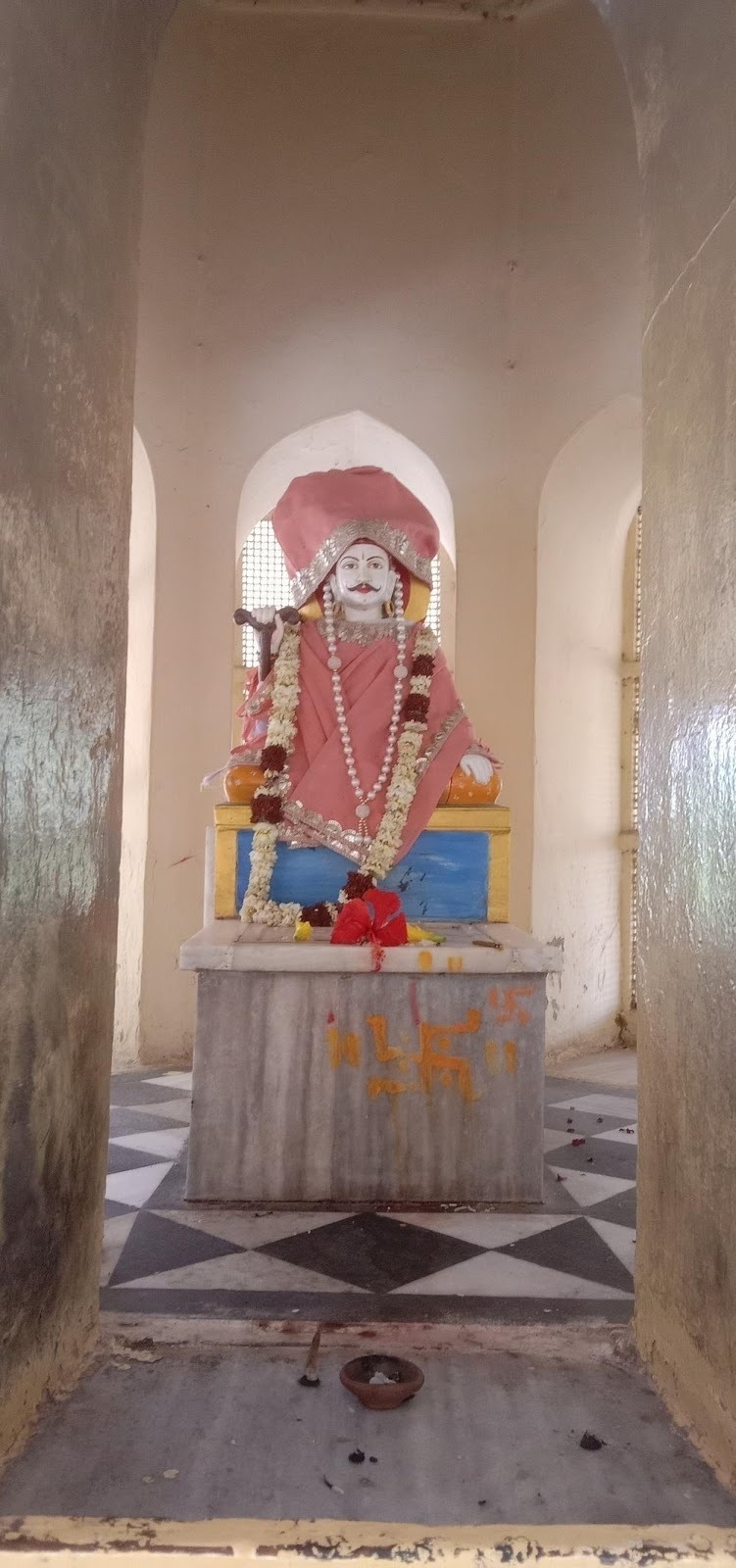
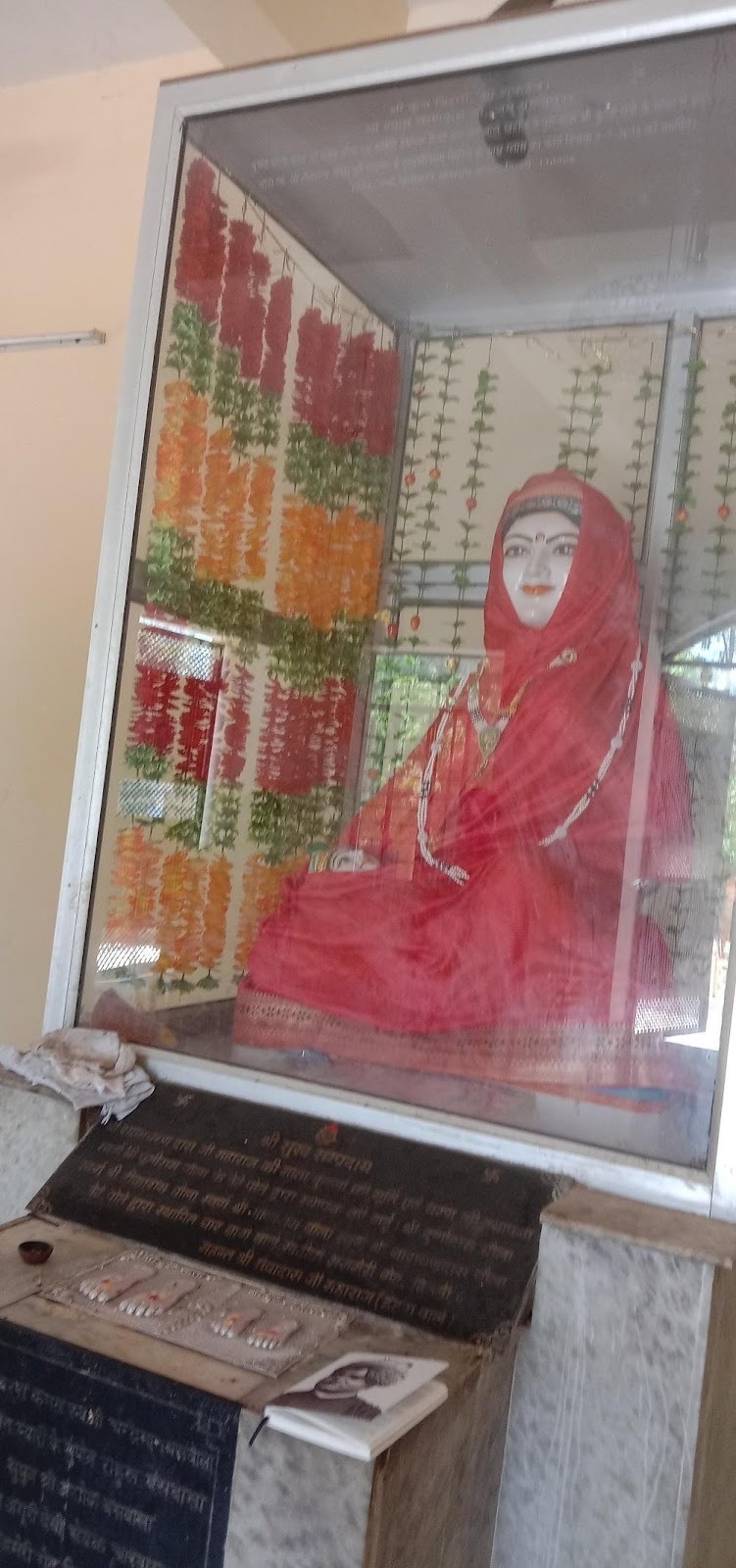
Fig 1: The statue of sant Charandas in his dham in village Dehra, district Alwar, Rajasthan. Photograph by author.
Fig 2: The statue of Kunjo, the mother of Charandas in an adjoining hall in the dham of Sant Charandas, village Dehra, district Alwar, Rajasthan. Photograph by author.
It is significant to note that there is a separate hall dedicated to Kunjo whose act of birthing Charandas is considered as a grace to the world. In Sahajobai’s poetry, there are lines dedicated to Kunjo for she brought the “dispeller of dark” into the world:
The day of his descent was the festival of fertility in the rainy months green,
Dear Kunjo you are blessed to have birthed Charandas, look at your sheen!
You have borne the one man who dispelled the dark,
Showing us the path of devotion, sing of him, O lark!
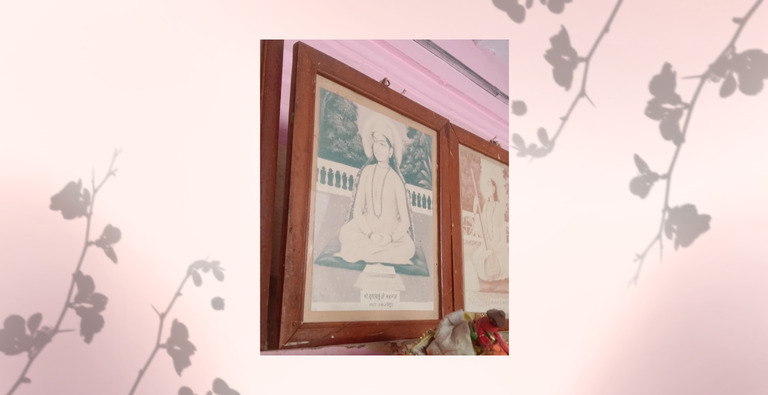
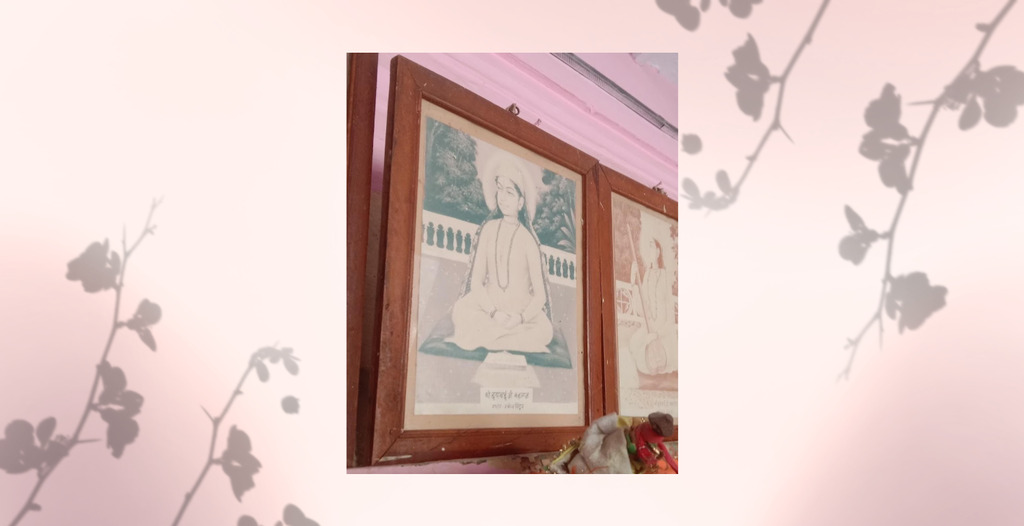
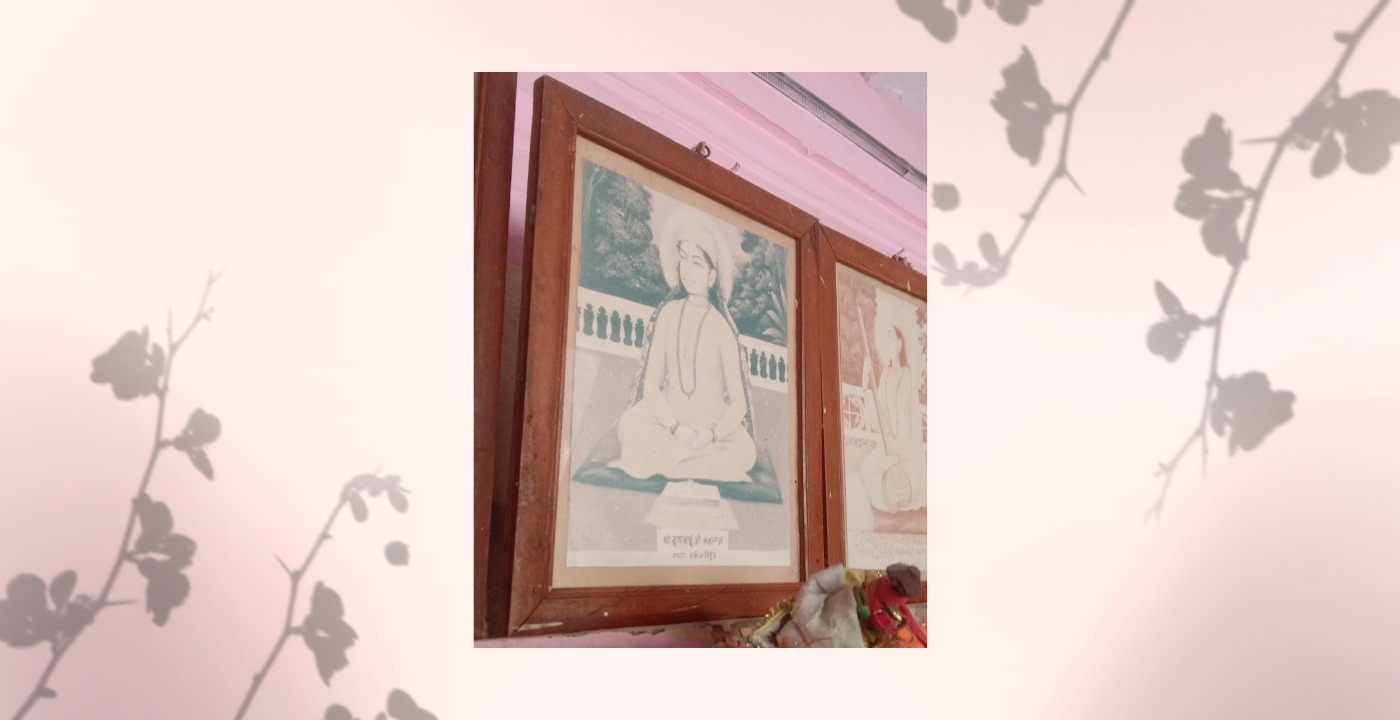
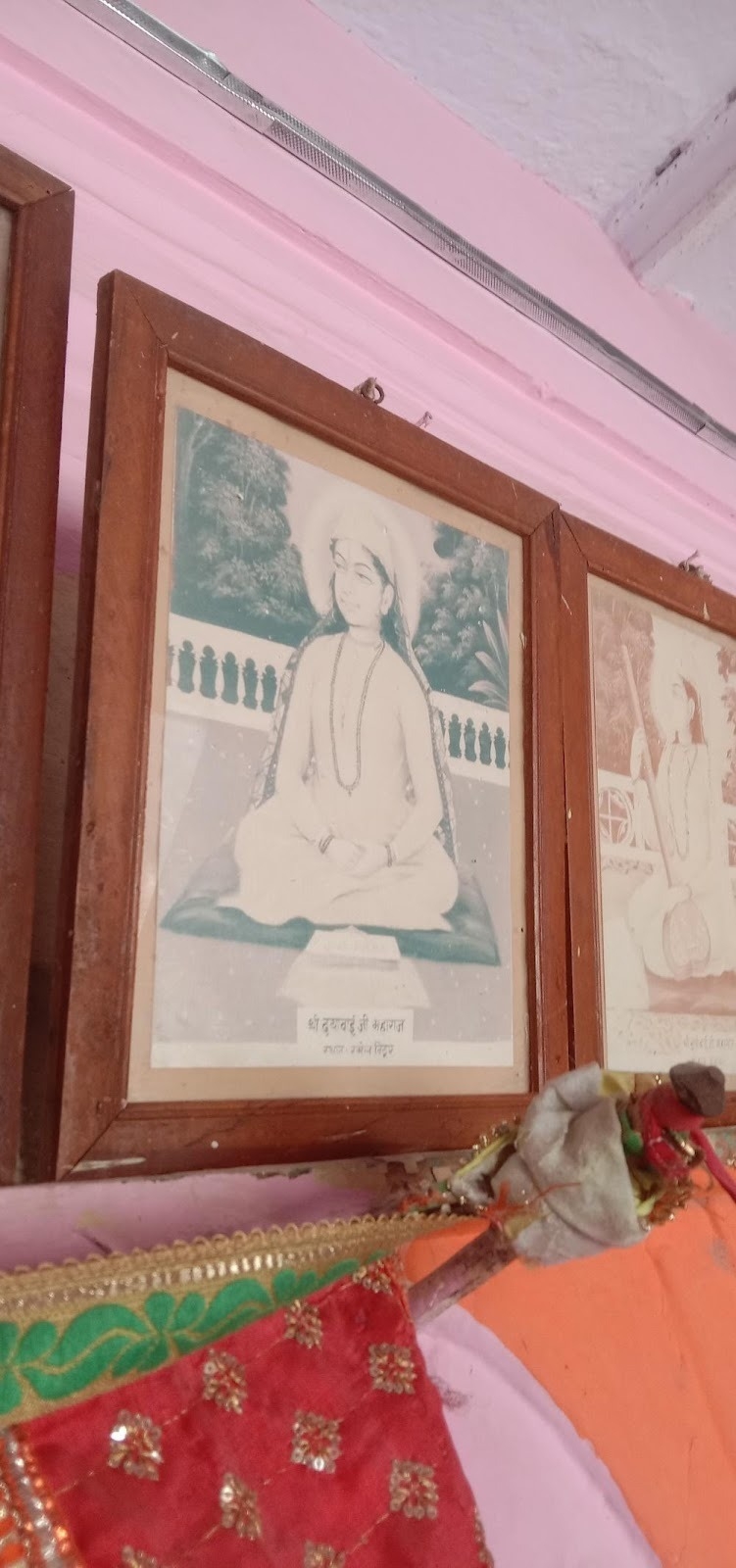
Fig 3: A portrait (likely the only one that exists) of Dayabai. This was found at the dham
(spiritual centre) of Sant Charandas in village Dehra, Rajasthan. Photograph by author.
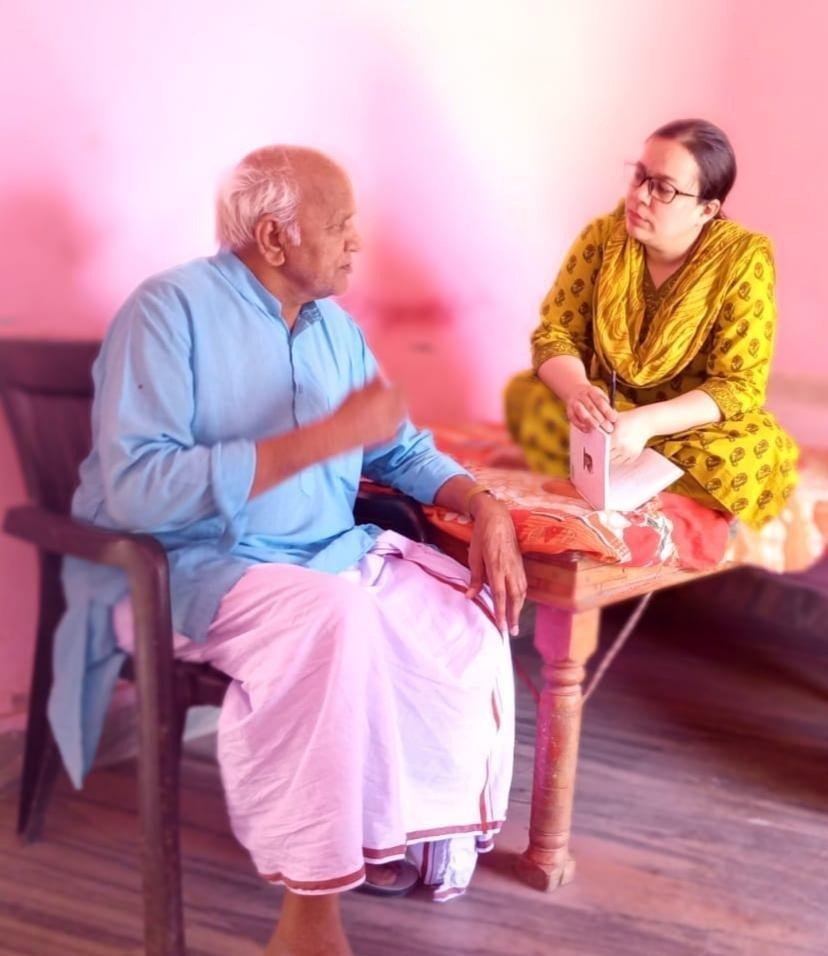
Fig 4: The researcher in conversation with Sevadas ji, the present mahant (in charge) of Sant Charandas dham, village Dehra, April 30, 2024.
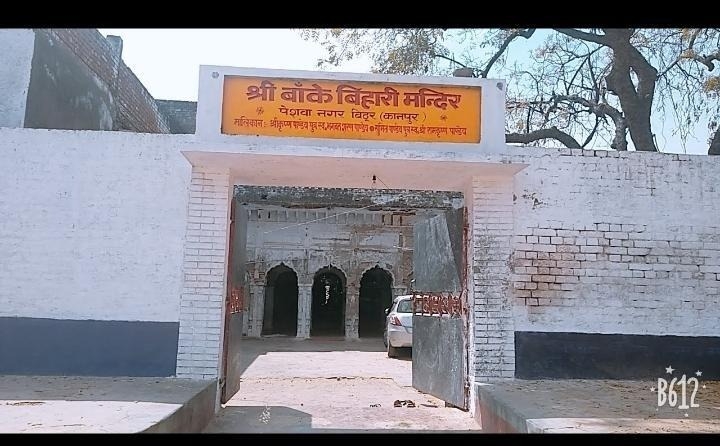
Fig 5: Bankey Bihari temple in Bithoor city. This temple was commissioned by sant Dayabai.
The photograph was taken by a friend in Bithoor city and is being reproduced with permission.
less
Photos
Publication date: Jan 30, 2026
Last updated: Mar 10, 2026
Comment
Your message was sent successfully