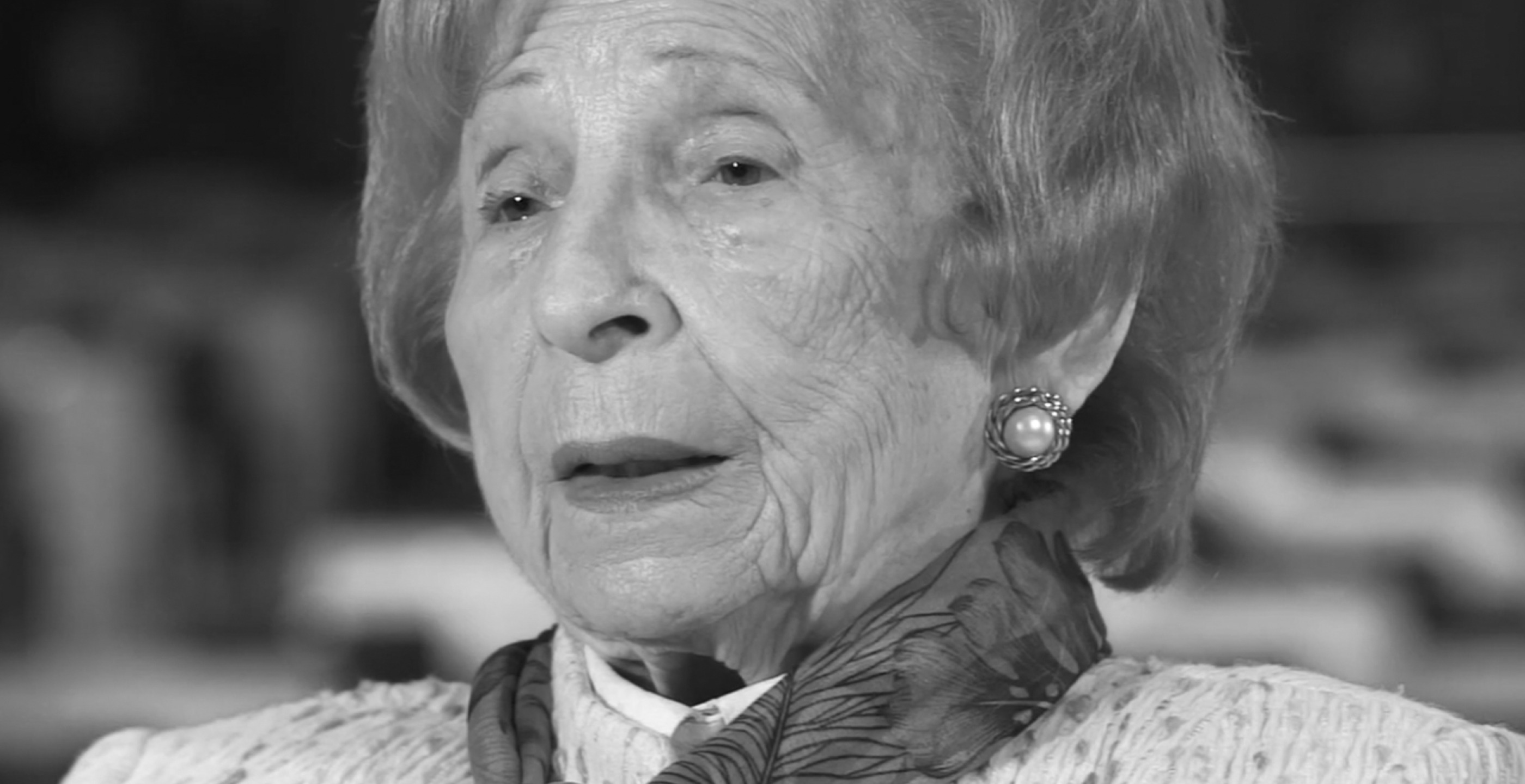
On the morning Rosalie Simon came to speak at my school, she took a car service out to Long Island. She was on the phone with her son during the ride, telling him where she was headed. The driver overheard, and in a moment of obliviousness that is almost difficult to believe, told her he did not think the Holocaust was real.
He did not know who was sitting in his backseat.
Many people in Rosalie’s shoes, hearing that, would feel something combative rise within them. Righteous fury, or at the very least a cold silence. Rosalie did neither. Instead, she told him her story. By the time she stepped out of the car, the driver said he would never forget what she had told him, and that he would never be so ignorant again.
*
I have spent a lot of time recently thinking about love—not romantic love, but the broader kind. The baseline human orientation toward other people that makes tenderness possible. It is enshrined in religious texts, woven into oral tradition, and taken for granted in the stories we tell children before they are old enough to fully understand the world. And yet history presents a contradictory record. Where is love in enslavement? In misogyny? In a cattle car trafficking humans in 1944?
If you were raised inside organized hatred, if you lost your mother to that hatred, or if a society demonstrated systematically that your life did not matter, what happens to your capacity to love? Does it calcify? Does it turn inward and close?
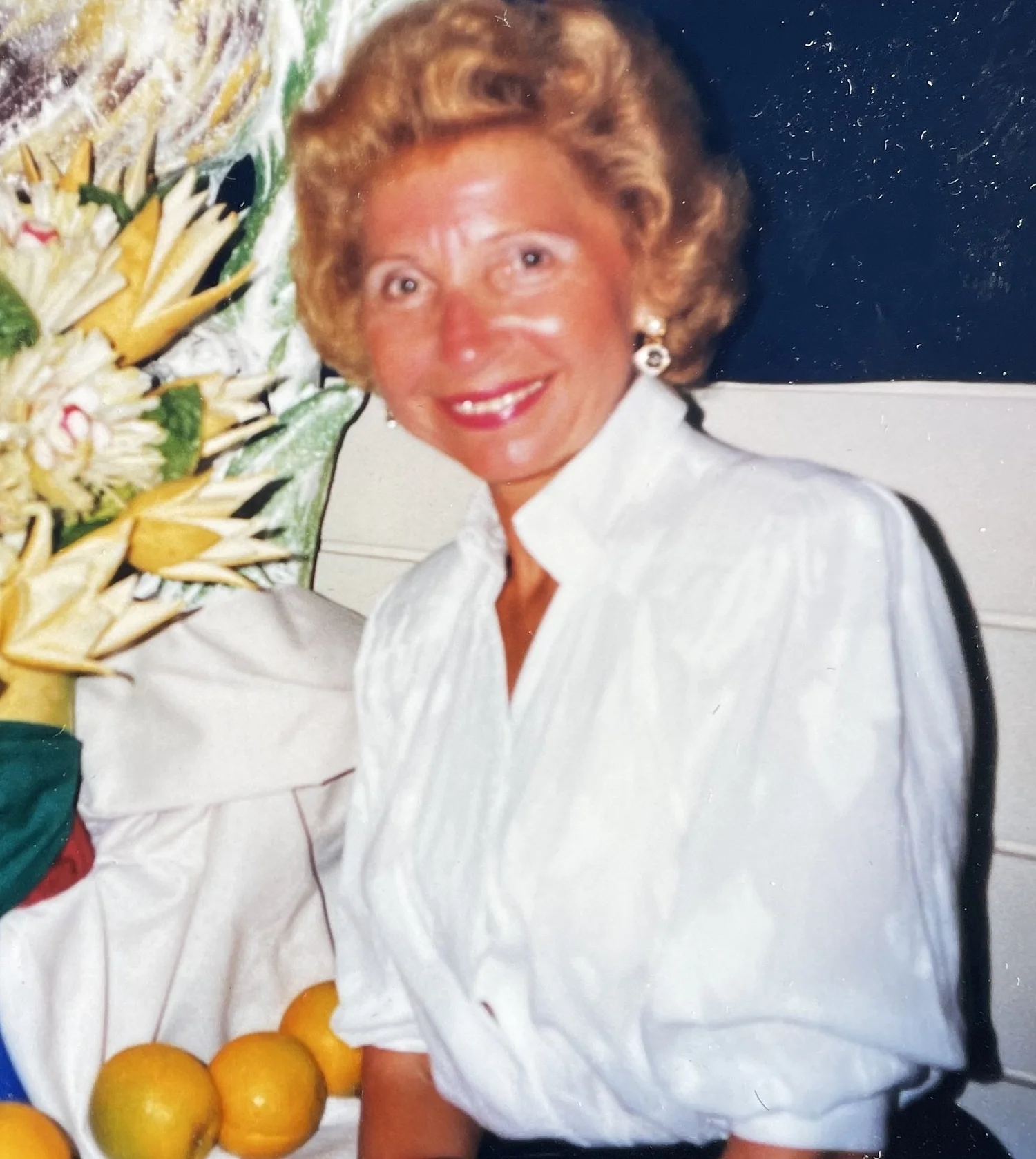
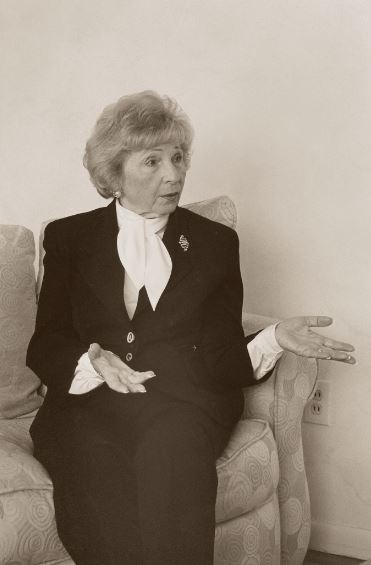
It was early on a Thursday morning when Rosalie Simon arrived at my high school for our annual Holocaust Remembrance Day. Auditoriums full of teenagers at 8 A.M. are not, as a rule, places of attentive silence. Yet Rosalie commanded the tenth graders, who were anxious to get out of class, with something different. It was warmth, or as I feel it, grandmotherly affection, extended to everyone without condition. She hugged every single student who approached her after she spoke, and there was nothing performative about it.
I have been reading two books that have helped me articulate what I observe in Rosalie Simon. Jill Bolte Taylor, a neuroanatomist who suffered a massive stroke that temporarily disabled her brain’s left hemisphere, describes in Whole Brain Living what she experienced when only the right side of her brain was functioning—something she calls right-hemisphere consciousness. It was a state of unconditional love, unburdened by ego and grievance. Taylor argues that this is not a passive state we fall into, but rather one that we can actively choose to inhabit and practice. David Brooks makes a related case in his most recent book, How to Know a Person: The Art of Seeing Others Deeply and Being Deeply Seen. Brooks writes about Illuminators, people who have cultivated the rare ability to truly see another person and to make them feel heard and fully human. He argues that Illuminators are not born Illuminators. They treat this personality trait as a craft, something you work toward.
In reading both books, I keep returning to Rosalie. She is doing, without any theoretical framework, exactly what both authors describe. She inhabits that place of unconditional love and presence that Taylor writes about. She is an Illuminator in every sense Brooks intends, her encounter with the taxi driver being as clear an example as any. What neither framework quite captures, though, is that Rosalie did not arrive at this way of being despite her life experience. The hatred she survived is not incidental to the love she radiates. It is, in some difficult way, a source.
For this project, I asked Rosalie to speak with me on a Saturday morning. She gave me hours, answering all of my questions and recounting, for what must have been the hundredth time, a story that is difficult for her to relive. She was patient and precise. I could sense her smiling (we spoke over the phone) more than I expected.
History tends to remember extraordinary acts. In Rosalie’s case, she will likely be known for her memoir, her lawsuit, and her decades of public testimony. I record those in detail here. What I also want to convey is her unique and remarkable character: Rosalie’s kindness, the way she inhabits a room, and the feeling she gives you of being seen. Rosalie Simon is a woman worth knowing. This profile is an attempt to ensure that she is known and remembered.
Overview
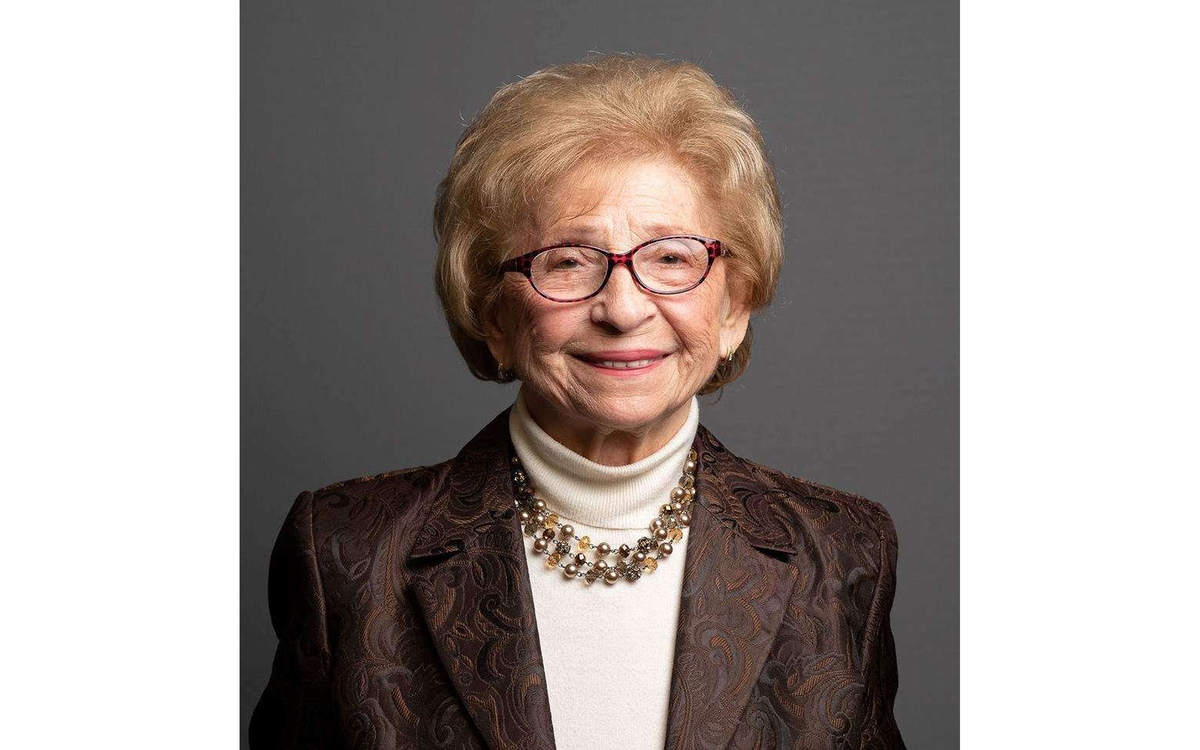
Rosalie Simon is a Holocaust survivor, educator, and legal advocate whose life embodies resilience and a commitment to justice. Born in Czechoslovakia in 1931, she survived Auschwitz as a child before immigrating to the United States in 1949. After rebuilding her life in New Jersey, she raised a family while pursuing education and later emerged as a prominent voice in Holocaust remembrance. Simon has shared her testimony in schools, synagogues, and civic forums for decades. She also co-authored the memoir A Girl in a Striped Dress (2014) and served as lead plaintiff in a landmark class-action lawsuit against the Hungarian government and its national railway for their role in the Holocaust. Simon’s work has established her as a key figure in Holocaust education and survivor advocacy in the United States.
less
Personal Information
Name(s): Rosalie Simon
Date and place of birth: July 25, 1931, in Velká Krivá, Czechoslovakia (now Kryva, Ukraine)
Date and place of death: Does not apply
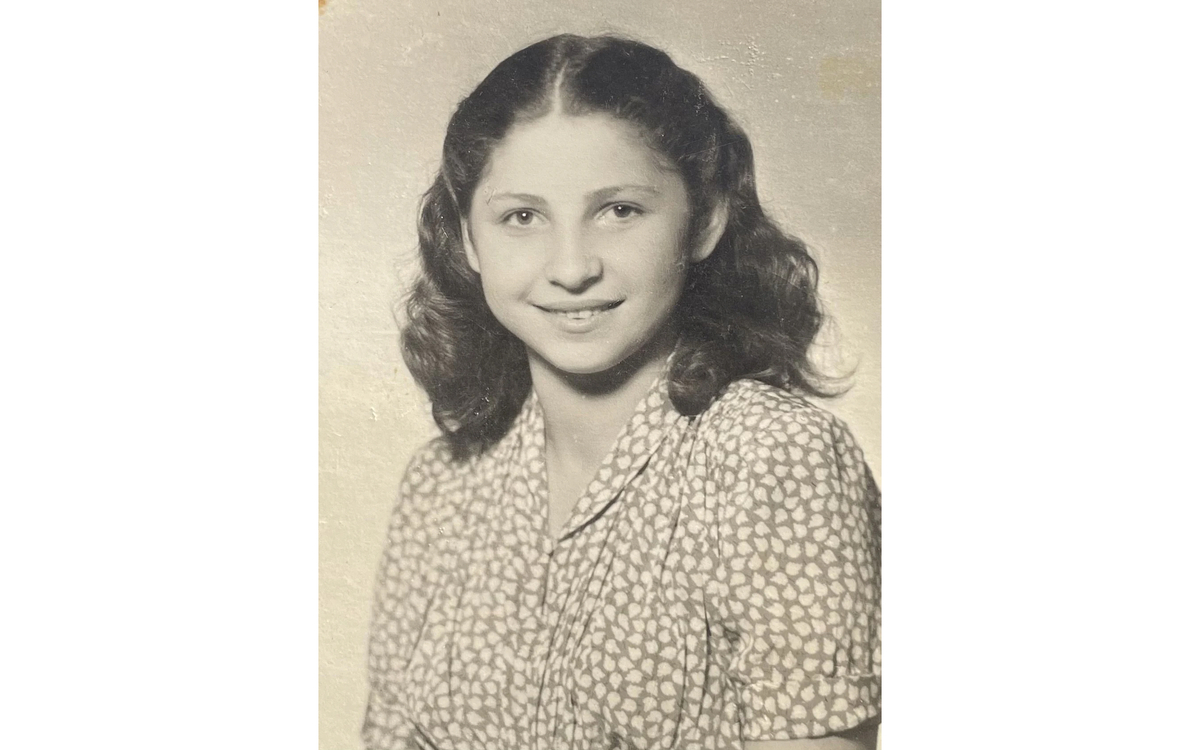
Family:
- Mother: Regina Lebovic (née Meyerovitch), homemaker, Orthodox.
- Father: Israel (Yisrael) Lebovic, wholesale fruit/food distributor.
- Siblings (by birth order, as recorded): Yitzak (died in childhood), Helen, Charlotte, Lenka, Rajza (Rose), and Zev Wolf (“William”). William suffered from rheumatic fever, which led to a chronic heart condition.
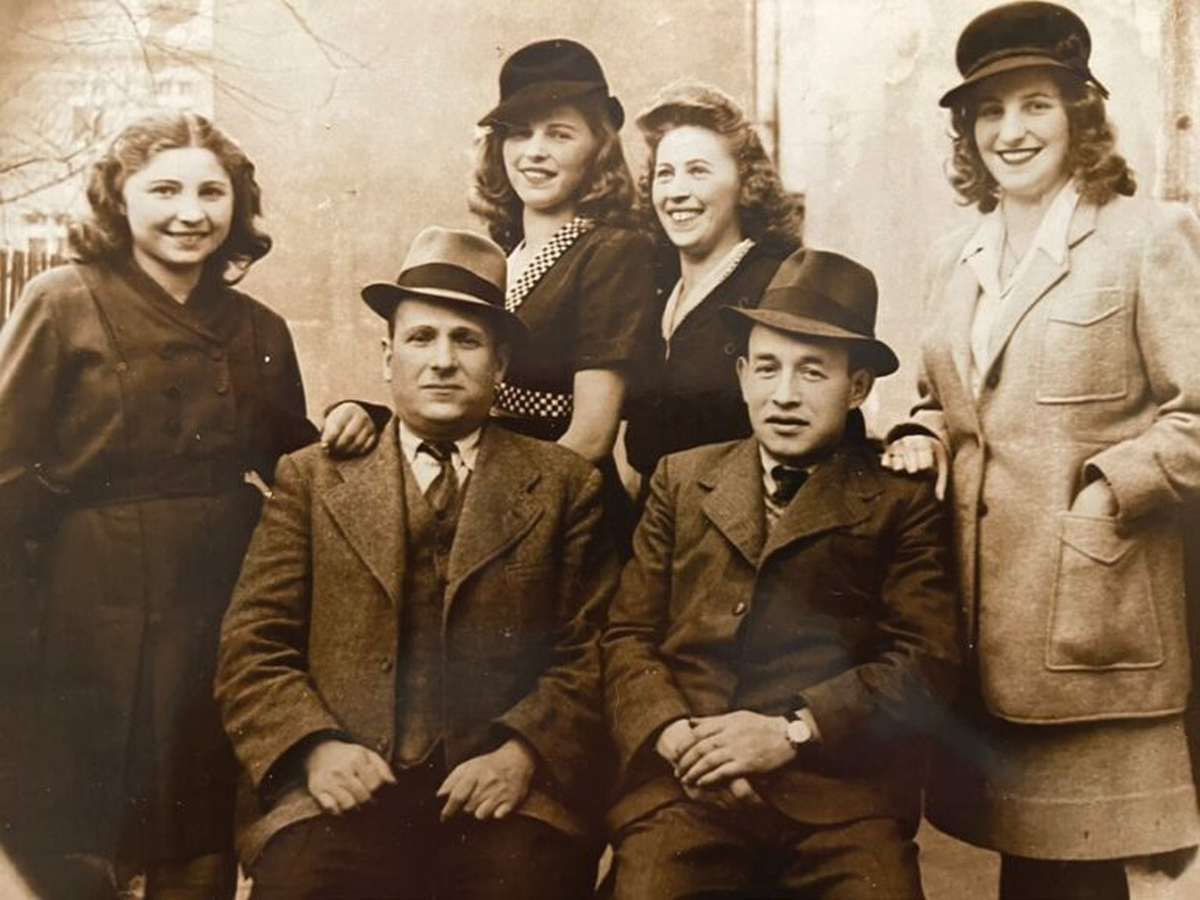
Marriage and Family Life:
Simon grew up in a close-knit household in Velká Krivá and, from early childhood, in Teresva, Czechoslovakia. Her father’s wholesale produce business provided a stable living, but often kept him away from home. Her mother managed the home and cared for the children. Simon’s older siblings had defined responsibilities that included household chores such as cooking, cleaning, gardening, and shopping. Helen, the eldest sister, trained and worked as a dress designer and sewed clothing for Simon as a child. Simon remembers her early years as happy and stable until anti-Jewish measures under Hungarian rule escalated. She was expelled from school in 1944, and her family was forced into the Mátészalka ghetto before deportation to Auschwitz.
Simon emigrated to the United States in 1949 and settled in Baltimore, Maryland. While attending English-language night classes for immigrants, she met Sidney Simon, a fellow survivor. The couple married on June 1, 1952, and later moved to New Jersey, where they raised three children: Mitchell, Ruth, and William (“Billy”). Simon consistently emphasizes family as the center of her postwar life and cites her children and grandchildren as her greatest pride.
Education (short version): Rosalie Simon, among other Jewish students, was expelled from school at age twelve by Hungarian police. She later completed adult education courses in Atlantic City, New Jersey, and received a technical diploma after the war.
Education (longer version): Before the war, Simon attended public school in Teresva and excelled academically, particularly in mathematics and penmanship. She was expelled from school as a Jewish student under Hungarian occupation policies in the early 1940s. After emigrating to the United States in 1949, she resumed her studies through night classes in Baltimore and completed postsecondary adult courses, including accounting, and later earned a technical diploma from a vocational school in Atlantic City, New Jersey.
Religion: Simon was raised in an Orthodox Jewish home in which Sabbath and holiday observances structured family life. In testimonies after the war, however, she expressed deep doubts about faith. Today, she does not consider herself fully observant, though she continues to uphold several traditions. Simon still lights Shabbat candles on Friday evenings, maintains a kosher household, and attends synagogue on holidays.
Transformation(s):
A sequence of wartime ruptures shaped Simon’s postwar life. At age twelve, she was expelled from school. In 1944, her family was forced into the Mátészalka ghetto and deported to Auschwitz, where her mother and younger brother were killed upon arrival. Simon experienced selections by Josef Mengele and was saved at a critical moment by a Jewish woman working in the camp. She and her sisters were later transferred to labor camps and were liberated in 1945.
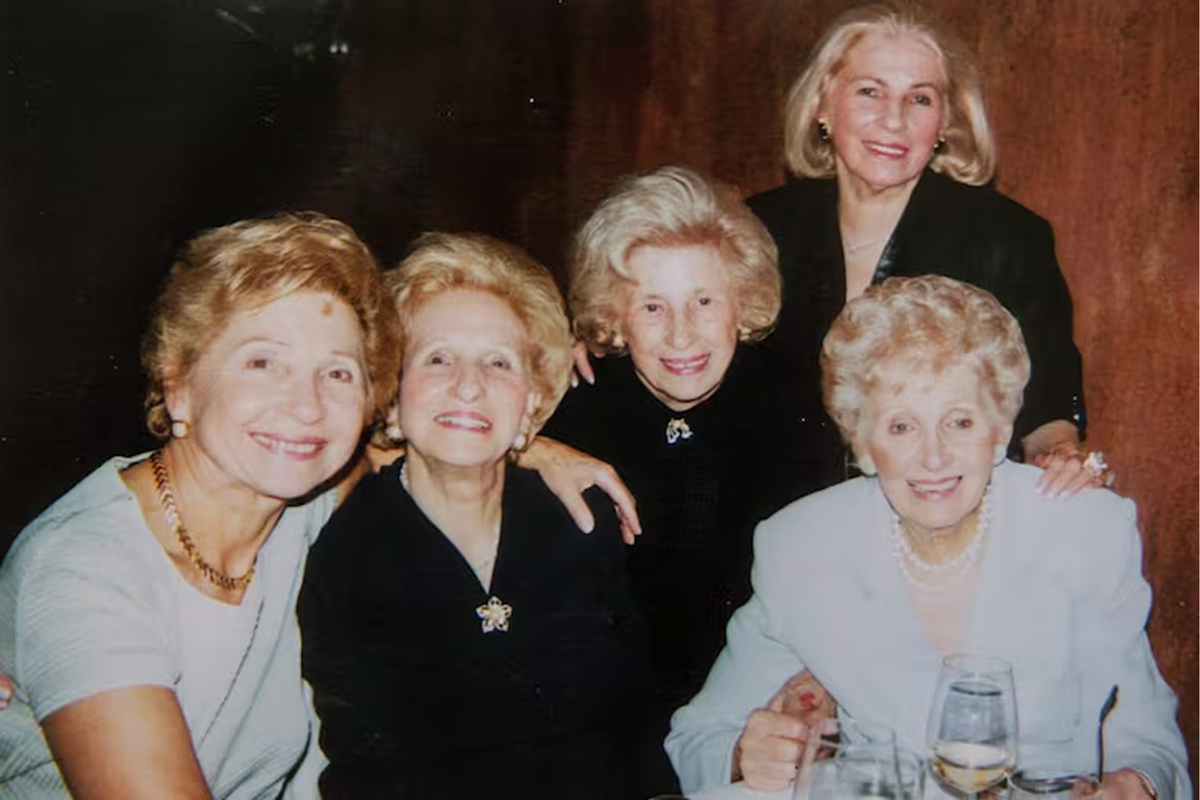
In the United States, Simon initially focused on family and economic stability, speaking little about her wartime experiences. Decades later, she began sharing testimony publicly, framing education as a responsibility for younger generations. Her shift from a private survivor to a public educator marked a central transformation in her life. Gendered dynamics are present throughout. She credits her older sisters' care and protection for her survival. Simon also notes the intervention of the female prisoner who helped her escape imminent death. In later life, she assumed roles — memoirist and public speaker — not traditionally expected from those among her generation of women who carried traumatic memories. In fact, she challenged assumptions that women, particularly survivors, should bear their trauma privately. Her decision to attach her name to a high-profile lawsuit against a sovereign state in her nineties further extended this transformation.
Contemporaneous Network(s):
Simon’s networks include:
- Educational and memorial institutions: Holocaust Memorial & Tolerance Center of Nassau County (HMTC), where she appears as a speaker and was featured in the “Sunday with Survivors” series; school programs such as “Names, Not Numbers,” in which students document survivor testimonies; public ceremonies, including the Town of Huntington’s Anne Frank Memorial event.
- Publishing and curricular partners: the Sara & Sam Schoffer Holocaust Resource Center (Stockton University), which supported her memoir; collaborations with Rowan University’s theatre department on The Manya Project, which adapted her memoir for staged readings.
- Advocacy and legal communities: attorneys and clinics supporting restitution litigation in Simon v. Hungary; survivor-led and human rights organizations, such as the Holocaust Survivors Foundation USA, that amplified the case.
- Community forums: synagogues, schools, civic groups, and media partners that host or broadcast her talks.
less
Intellectual, Political, Social, and Cultural Significance
Works/Agency
Memoir: A Girl in a Striped Dress (2014), co-authored with educator Maryann McLoughlin, narrates Simon’s prewar life, deportation to Auschwitz, transfers to other camps, liberation, and postwar rebuilding in the U.S. The memoir has been integrated into New Jersey's Holocaust education resources, along with an accompanying teacher’s guide.
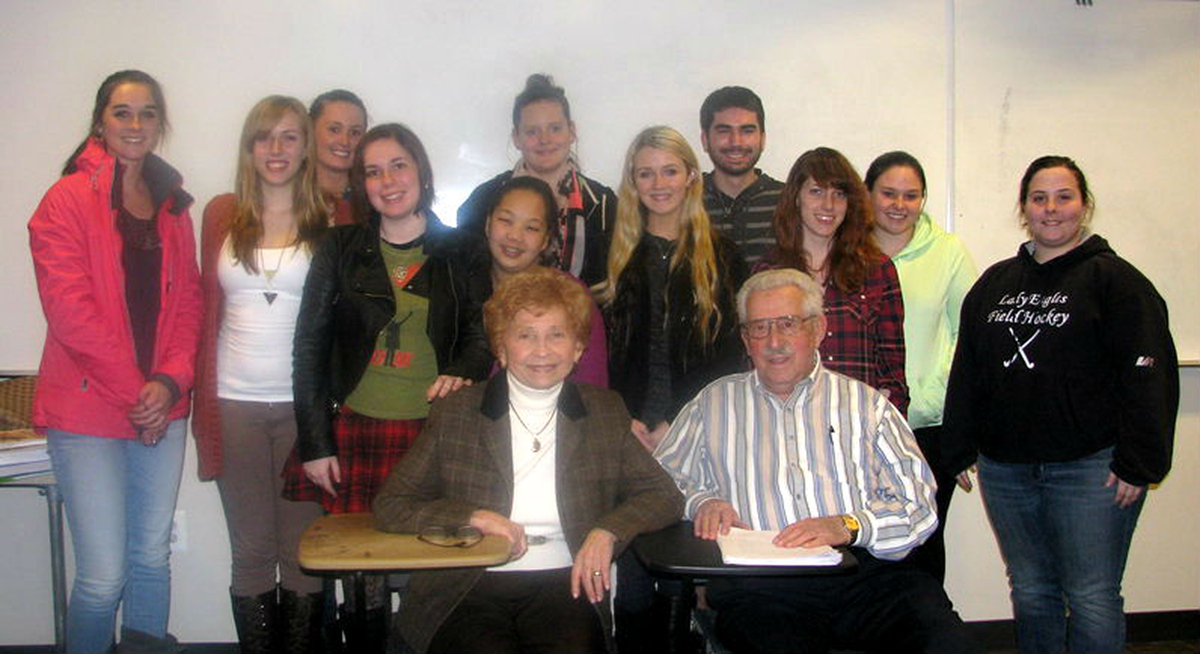
Public speaking and education: Since the 1990s, Simon has addressed students and community audiences across New York and New Jersey, including high schools, universities, and Holocaust remembrance programs. She has appeared in the Holocaust Memorial & Tolerance Center of Nassau County’s “Sunday with Survivors,” school assemblies marking International Holocaust Remembrance Day, and community commemorations.
Commemorative and cultural projects: Simon participated in the “Survivor Torah Project” (Long Island, 2024), in which survivors help restore a Torah scroll rescued during the war. She also collaborated with Stockton University and Rowan University on The Manya Project, which dramatized survivor memoirs, including Simon’s, for educational performances.
Legal advocacy: In 2010, Simon became the lead plaintiff in a class-action lawsuit — Simon et al. v. Republic of Hungary — which sought restitution from the Hungarian government and its national railway, Magyar Államvasutak (MÁV), for property seized from Hungarian Jews during the Holocaust. The case was brought under the Foreign Sovereign Immunities Act (FSIA) in a U.S. federal court. Simon’s lawsuit argued that Hungary and MÁV were complicit in genocide and the expropriation of Jewish assets, and that they profited from these actions. The case advanced through multiple stages of litigation. In 2016 and 2018, the U.S. Court of Appeals for the D.C. Circuit ruled that the claims could proceed in U.S. courts. However, in February 2025, the U.S. Supreme Court ruled unanimously against the plaintiffs, stating that the financial link between the stolen property and commercial activities in the United States was too indirect to overcome Hungary’s sovereign immunity under FSIA. Despite the ruling, Simon’s legal advocacy brought renewed global attention to the moral imperative of Holocaust restitution.
Contemporaneous Identifications
Reputation:
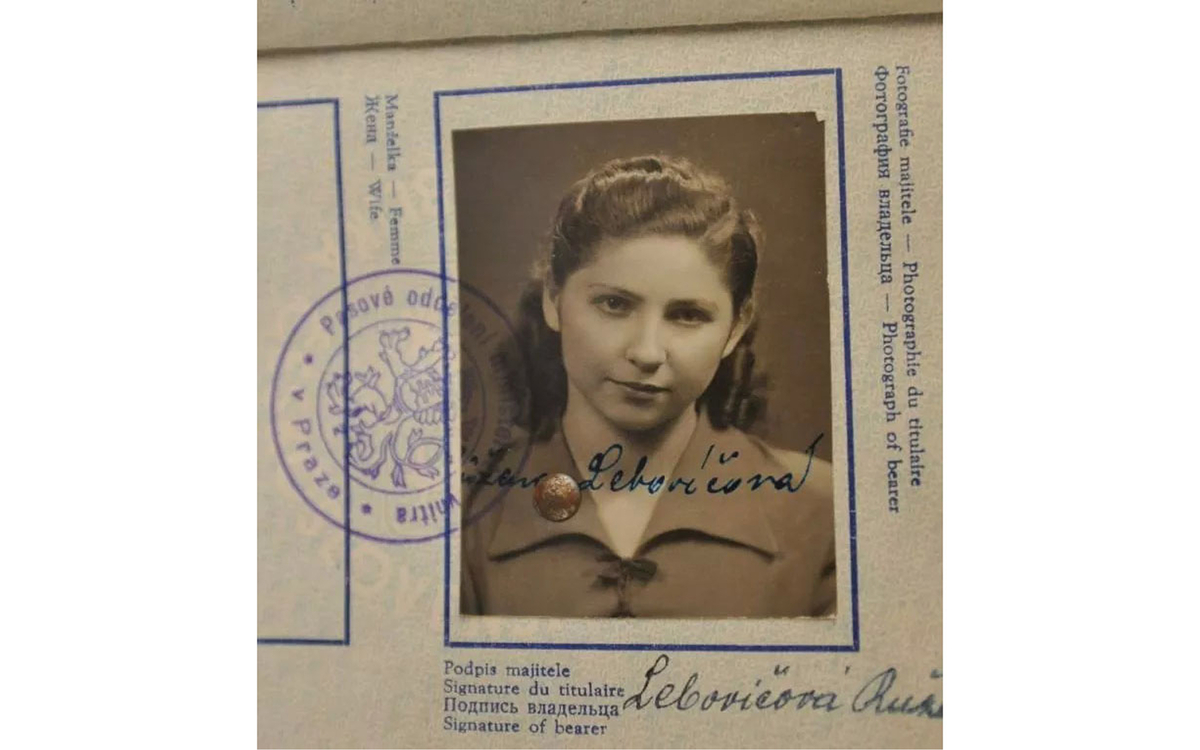
During and immediately after the war, Simon was identified as a Hungarian-Jewish survivor of Auschwitz. She was known within her Displaced Persons camps as the youngest of five sisters who survived together, which was itself rare and noteworthy. Upon immigrating to the United States, she was initially identified socially and institutionally as an immigrant, a working-class wife, and a mother.
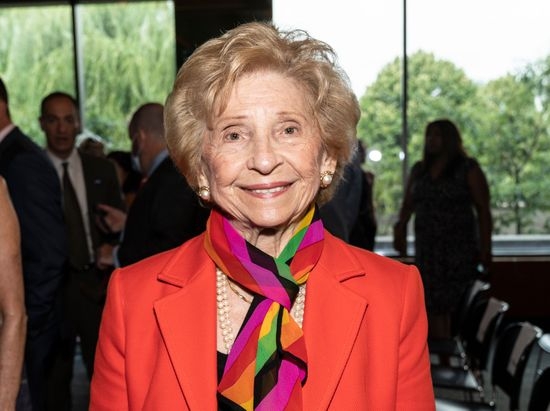
Over time, Simon became publicly known as a Holocaust survivor and educator. She was invited to speak at schools, universities, and synagogues. As her public presence expanded and her memoir was published, she became a recognized voice for survivor testimony, especially among women. Her role in the U.S. Supreme Court case Simon et al. v. Republic of Hungary further cemented her role as an activist pursuing justice for crimes committed during the Holocaust. Simon has also been recognized as a community leader within Jewish educational and remembrance initiatives, especially in New York and New Jersey.
Legacy and Influence
Educational impact: incorporation of her testimony and memoir into school programs and teacher resources; student oral-history and arts projects built around her story.
Legal legacy: Simon’s name is attached to an important Supreme Court decision clarifying the limits of the FSIA expropriation exception; while adverse, the decision is widely discussed in legal commentary and has shaped restitution litigation strategy.
less
Controversies
Her participation in high-profile litigation generated legal debate over jurisdiction and sovereign immunity, but not controversy about her conduct.
less
Clusters & Search Terms
Current Identification(s)
Holocaust studies; Jewish history; women’s history; memory studies and oral history; human-rights education; transnational legal history
Clusters
Female Holocaust survivor-educators: e.g., Inge Auerbacher, Jean Sklar, Peri Hirsch.
Stockton University Writing-as-Witness memoirists and related adaptations: e.g., Elizabeth Ehrlich Roth; Rose Ickowicz Rechnic (subjects whose memoirs were adapted alongside Simon’s in The Manya Project).
Restitution litigation plaintiffs: survivors associated with Simon v. Hungary
Search Terms
Rosalie Lebovic Simon; Rosalie Simon; elká Krivá/Kryva; Teresva; Mátészalka ghetto; Auschwitz-Birkenau; Geislingen an der Steige; Allach; Holocaust survivor education; A Girl in a Striped Dress; Simon v. Republic of Hungary; Holocaust restitution.
less
Bibliography
Sources
Primary (selected):
Simon, Rosalie Lebovic, with Maryann McLoughlin. A Girl in a Striped Dress: A Survivor of Auschwitz-Birkenau, Geislingen an der Steige, and Allach. Atlantic City, NJ: ComteQ Publishing, 2014.
Simon, Rosalie Lebovic. Interview with Nikhil Shah. Transcript, 2025.
“Oral History Interview with Rosalie Lebovic Simon.” United States Holocaust Memorial Museum, RG-50.694.0149 (transcript).
Web Resources (selected):
New Jersey Department of Education / Stockton University Holocaust Resource Center. Girl in a Striped Dress Teacher’s Guide (PDF).
Holocaust Memorial & Tolerance Center of Nassau County (HMTC). “Sunday with Survivors: Rosalie Simon.” Program page and YouTube recording.
Newsday. “U.S. Supreme Court to hear suit brought by Holocaust survivors, including Rosalie Simon of Floral Park, against Hungary, railroad,” June 25, 2024.
Newsday. “At Anne Frank ceremony, a Holocaust survivor’s life serves as a history lesson,” July 19, 2024.
Newsday. “Holocaust survivors gather at Torah restoration in Plainview,” June 20, 2024.
Long Island News12. “Survivor Torah Project comes to Long Island,” Nov. 14, 2024; and “I want the world to know what happened to me,” Apr. 24, 2025.
QNS (Queens). “Holocaust survivors share powerful WWII stories at Elmhurst school assembly,” Jan. 17, 2025.
The Hofstra Chronicle. “Holocaust survivor retells her experience in ‘Remembering the Innocent’ event,” Dec. 13, 2022.
Downbeach.com. “Margate woman’s Holocaust story to be featured in ‘The Manya Project’ at Stockton Atlantic City,” June 28, 2022; and “Margate woman featured in Holocaust survivor plays at Rowan University,” Apr. 12, 2022.
Republic of Hungary v. Simon, 599 U.S. ___ (Feb. 21, 2025). Slip opinion (U.S. Supreme Court).
Simon v. Republic of Hungary, 812 F.3d 127 (D.C. Cir. 2016); 911 F.3d 1172 (D.C. Cir. 2018).
Justia. Simon v. Republic of Hungary, No. 17-7146 (D.C. Cir. Dec. 28, 2018); Rosalie Simon v. Republic of Hungary, No. 22-7010 (D.C. Cir. Aug. 8, 2023).
Oyez / C-SPAN. Oral argument materials for Republic of Hungary v. Simon, Dec. 3, 2024.
less
Bio

Nikhil Shah is an intern at The New Historia, through which he has developed a deep interest in history and education. He’s a dedicated public servant, criminal justice researcher, and devoted game theory nerd. Nikhil spends much of his time asking questions about governance, justice, and how to better his community. When he doesn’t have a guitar in hand, you’ll likely find him on a tennis court or in a history museum. He’s headed to Harvard College in the fall.
less
Photos
Comment
Your message was sent successfully