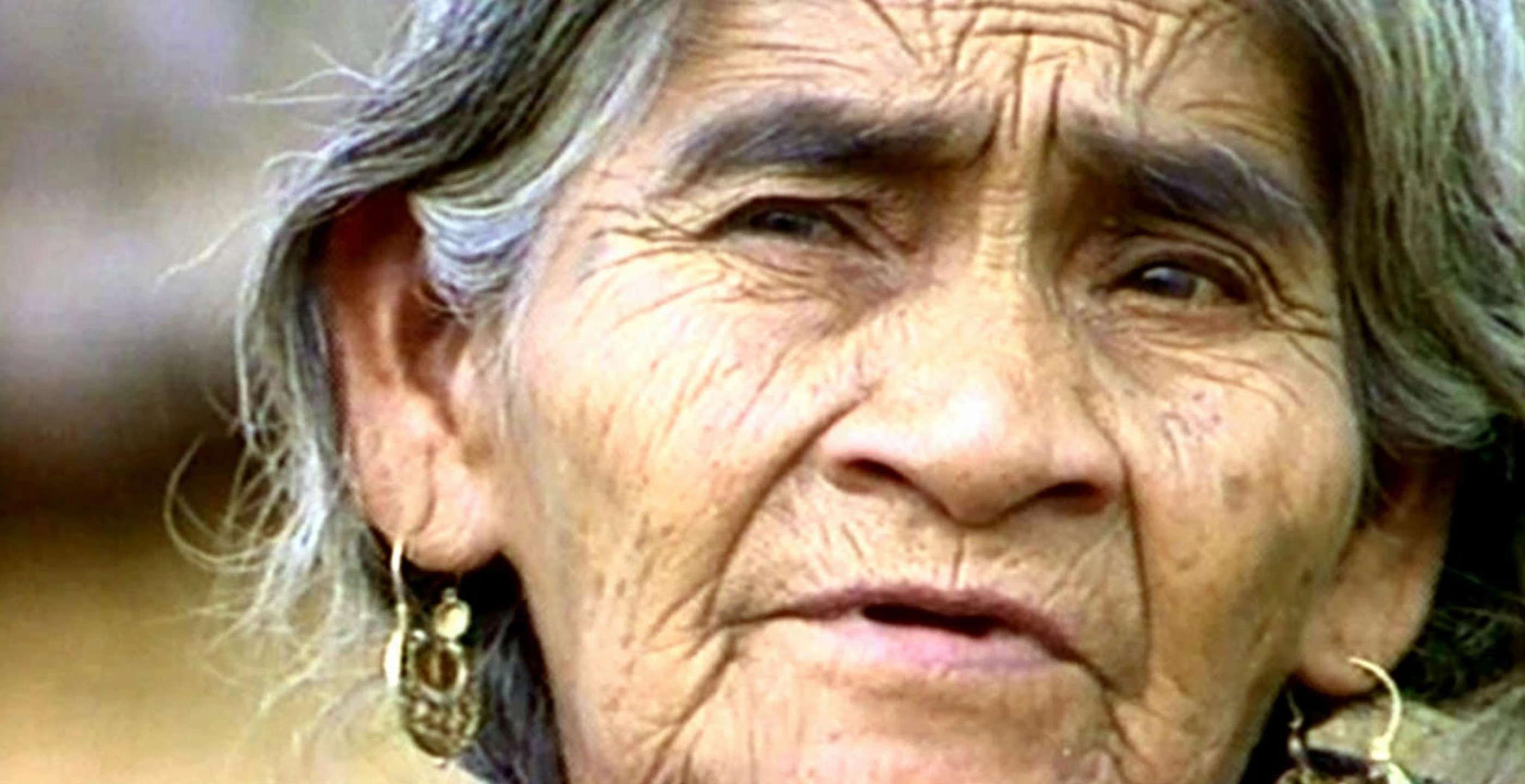
María Sabina endured numerous hardships, yet remained determined to pursue a life of healing and altruism. Posthumously, Sabina is a prominent spiritual icon, best known as a female shaman who performed sacred mushroom rituals alongside R. Gordon Wasson, Aldous Huxley, and John Lennon. Public understandings of María Sabina, molded by her involvement with famous men, obscure the broader impact of her life. This project is an historical recovery intended to highlight what was obscured by the shadows they cast on her legacy.
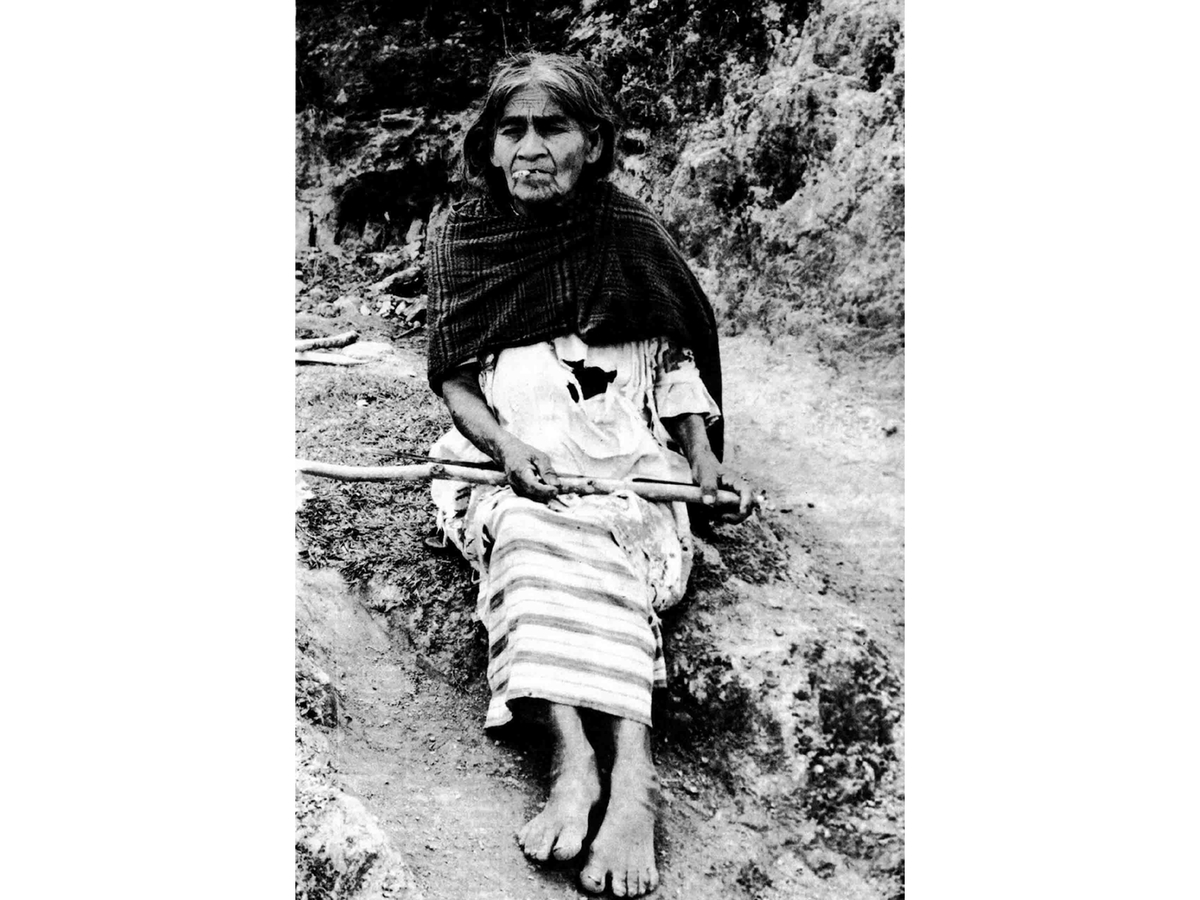
(Image Source: https://fungaonline.com/key-players/)
Early Life
María Sabina Magdalena Garcia was born on July 22nd, 1894, in Huautla de Jimenez, Sierra de Oaxaca, Southern Mexico. Her father’s family had a long lineage of shamanic healers, but the tradition was nearly lost to her upon his death. She was sent to live with her maternal grandparents, who were impoverished farmers. As a young girl, she witnessed the healing power of sacred mushroom ceremonies and rituals and had been regularly consuming psilocybin since she was seven years old. María was only fourteen years old when she married Serapio Martínez. Shortly after she was wed to Martínez, he left to fight in the Mexican Revolution and died soon after returning home. García was left to care for their three children: Catarina, Viviana, and Apolonia. The new stress of single motherhood took a major toll on her mental and physical health. There are claims that she became temporarily paralyzed before turning to the healing power of the sacred mushroom. She fully recovered, but was forced to work farming and labor jobs to support and raise her children. Consequently, she was once again distanced from her work on cures and healing. Ten years after the death of her first husband, María married Marcial Carrera, an alcoholic who often became violent in fits of jealousy. They had six children together, but only one survived: a daughter called Aurora. During this relationship, María’s sister fell ill and did not respond to mainstream treatments. María realized she needed to intervene and returned to learning and practicing as a healer. When her sacred mushroom ceremonies proved successful in healing her sister, Marcial’s jealousy mounted, and he became an even greater threat. In a string of events resembling the plot of a dramatized true crime story, he was murdered by the children of his mistress. Carrera’s death is a pivotal point in the life of María Sabina; his death frees her of the constraints that hindered her from devoting her life to healing. Throughout Oaxaca, she became renowned for her successes as a healer and woman of deluge wisdom. The scope of her healing included issues from mental health to addiction, from physical injury to familial disputes.
less
Enter: The American
In June of 1955, Robert Gordon Wasson, J.P. Morgan public relations VP, traveled to Mexico hoping to deepen his knowledge of ethnomycology. Wasson’s Russian mycologist wife, Valentina Wasson, introduced him to the field, and he and his American peers intended to experience María Sabina’s sacred mushroom healing first-hand. Initially, she was uninterested–not because they were strangers and foreigners, but because they sought out the sacred medicine to induce spiritual revelation. The healing power of the mushroom was meant for treating those with afflictions in need of relief, not to satiate some spiritual curiosity. She eventually agreed, however, and permitted their participation. This meant Wasson and his friends would be “the first white men in recorded history to eat the divine mushrooms” (Estrada, 2007).
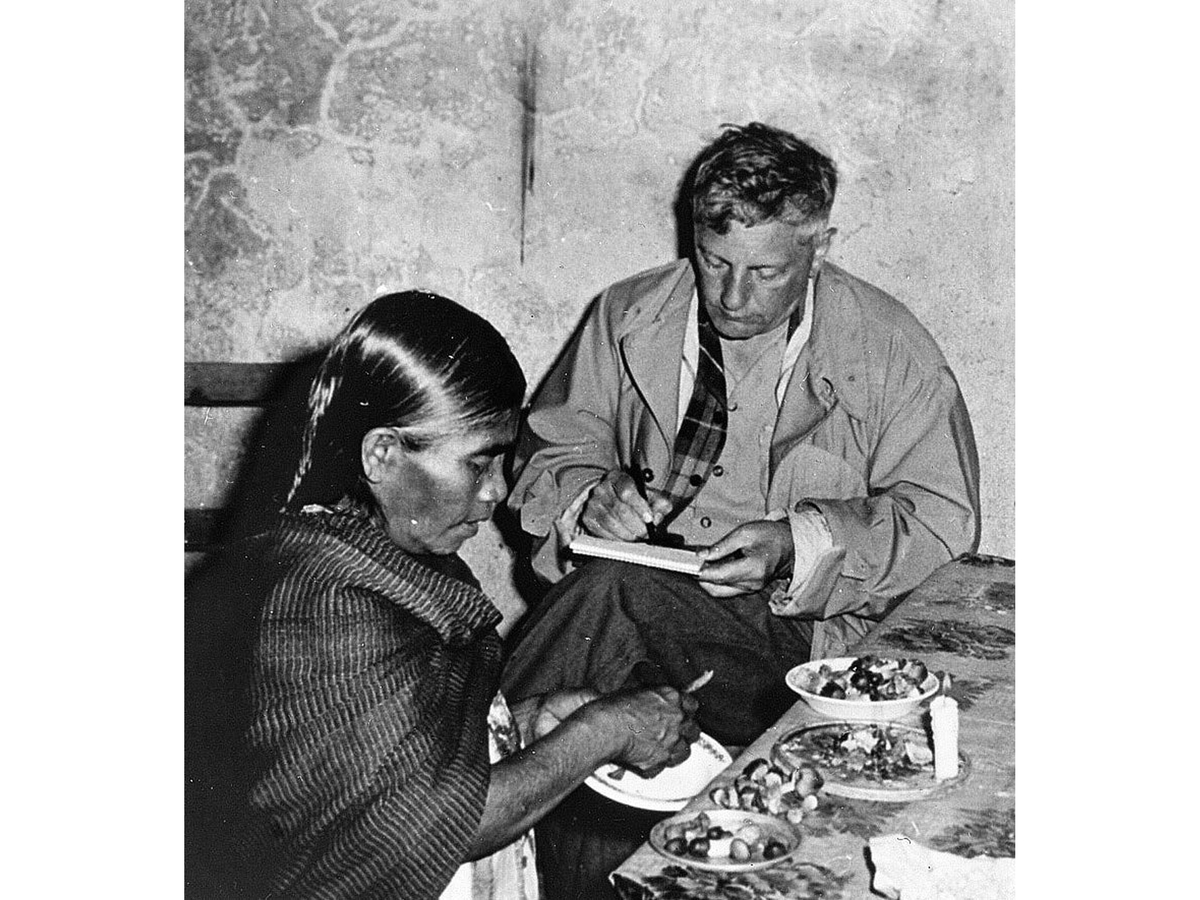
(Image Source: https://doorofperception.com/2015/04/r-gordon-wasson-seeking-the-magic-mushroom/)
When Wasson returned from Mexico, interest in his story spread like wildfire and was relayed by Life Magazine in an article titled “Seeking the Magic Mushroom,” published in 1957. In garnering the attention of the American public, Wasson became of interest to the Central Intelligence Agency. The reason for this interest lay in the fact that simultaneously, the CIA was overseeing the project known as MK Ultra1. Wasson believed that his travel to Mexico and research on psilocybin was being funded by a medical research organization. This was, however, a false front created by the United States government to access sacred knowledge and explore the potential of psilocybin as a mind control drug. While it was not Wasson’s intention, the cultural extractivism that followed his experience with María Sabina did not cease. Hippies and tourists flocked to Huautla to meet and be healed by Sabina. This influx of foreigners became even more significant when news circulated that pop culture icons, including Walt Disney and John Lennon, had visited.
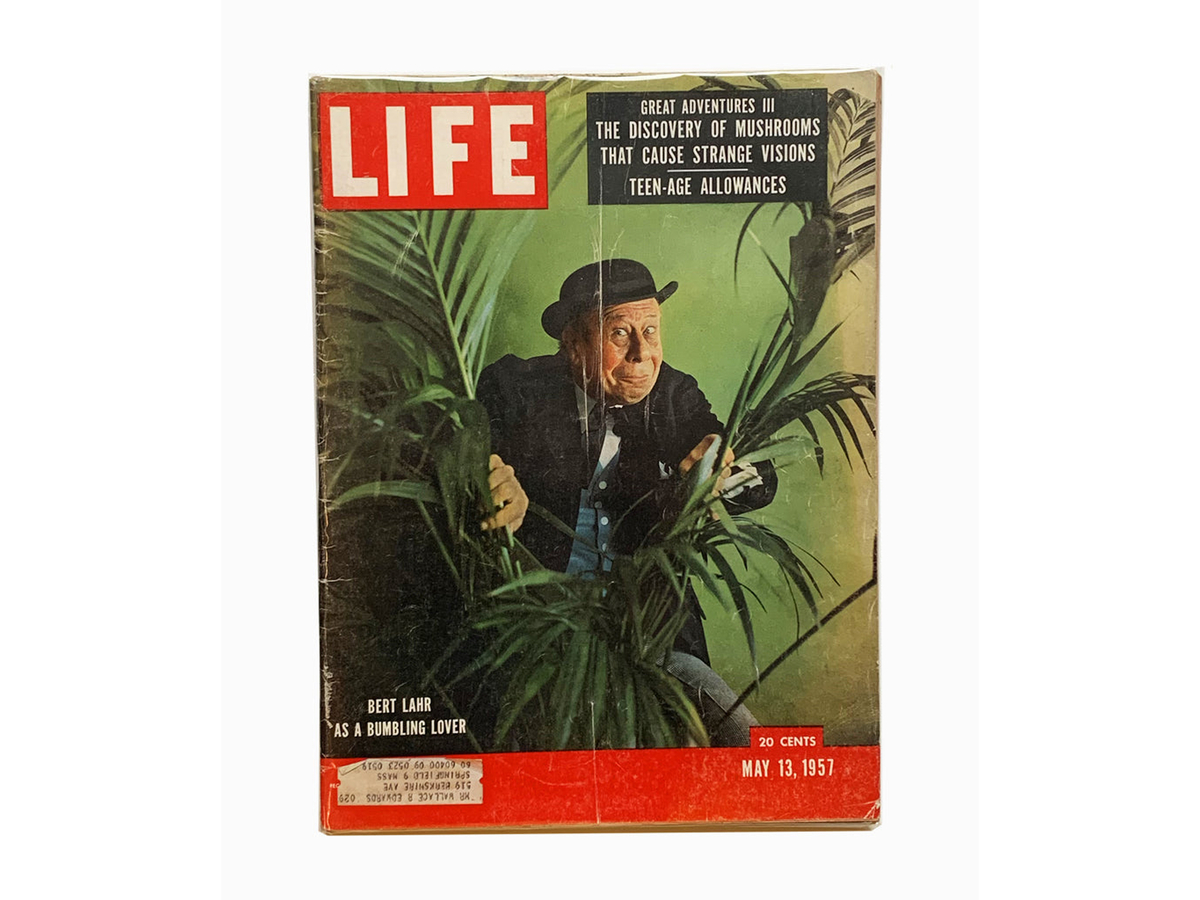
(Image Source: https://donlonbooks.com/products/life-magazine)
less
Post-Contact
This early example of psychedelic tourism had a catastrophic impact on Mazatec Indigenous peoples. Their sacred healing rituals were misappropriated. Their healers andcommunities were exploited. The community largely blamed Sabina and labeled her a traitor. As a result, she became a target for public scrutiny and violence. Her house was burnt down and raided countless times by the Mexican authorities. “The moment the foreigners arrived in search of God, the saint children lost their purity”(referring to the mushrooms) stated María Sabina, after being cast out by her community. Wasson spoke freely and often about his unclean conscience regarding his role in the misuse and exploitation of the sacred mushroom. “A practice carried on in secret for three centuries or more has now been aerated,” he wrote. “And aeration spells the end.”2. María Sabina died alone on November 22, 1985, in Oaxaca, Mexico.
While Sabina is recognized as a spiritual icon, her legacy in contemporary science is often overlooked. The cultural shift that followed the publication of her story in Life Magazine captured the Western psyche and created a new niche for scientific inquiry. Ultimately, Sabina is responsible for helping to bridge the gap between early entheogenic healing practices and psychedelic psychotherapy. Unfortunately, many remain unaware of how this contact with Westerners negatively affected Sabina. At a certain point, she completely regretted ever sharingher sacred knowledge, recognizing how colonial extractivism hurt her community and left her isolated.
Despite her many tragedies, María Sabina’s life should be remembered for her immense contributions to her community, her influence on pop culture, her spiritual and healing knowledge, and her impact on the psychedelic revolution.
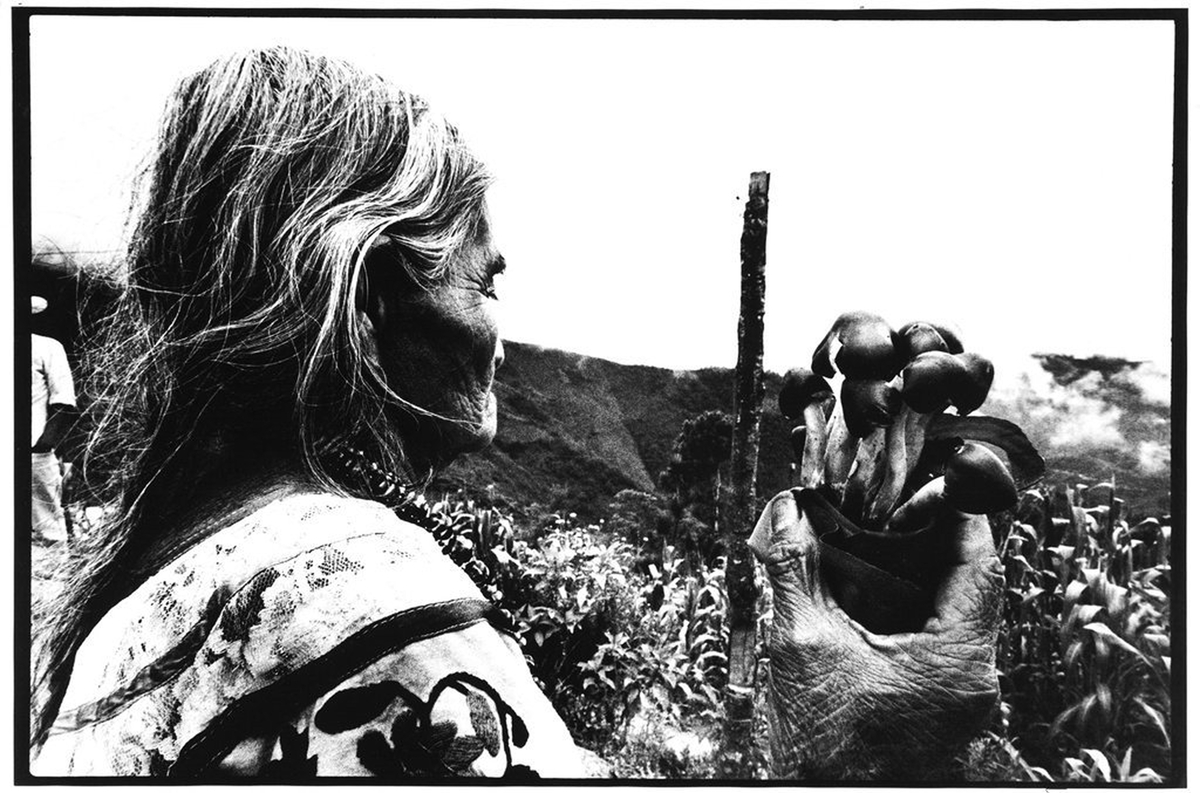
(Image Source: https://fungaonline.com/key-players/)
less
Citations
- Álvaro Estrada, "Introduction to The Life of Maria Sabina" In María Sabina: Selections, ed.Jerome Rothenberg, (Berkeley: University of California Press, 2003), 127-132.
- Álvaro Estrada, "Introduction to The Life of Maria Sabina" In María Sabina: Selections, ed.Jerome Rothenberg, (Berkeley: University of California Press, 2003), 127-132.
less
Bibliography
Dupla. (2023, September 13). Robert Gordon Wasson. 1. https://fungaonline.com/key-players/
Estrada, Álvaro. "Introduction to The Life of Maria Sabina" In Selections. María Sabina edited by Jerome Rothenberg, 127-132. Berkeley: University of California Press, 2003. https://doi.org/10.1525/9780520342002-004
Furci, Giuliana. “The Earthly Journeys of María Sabina.” Fungi Foundation Blog, www.ffungi.org/blog/the-earthly-journeys-of-maria-sabina. Accessed 1 Dec. 2023.
Guzmán, Gastón. “Hallucinogenic mushrooms in Mexico: An overview.” Economic Botany, vol. 62, no. 3, 2008, pp. 404–412, https://doi.org/10.1007/s12231-008-9033-8.
Life magazine, 1957 - Gordon Wasson (seeking the magic mushroom). Donlon Books. (n.d.). https://donlonbooks.com/products/life-magazine
Mayer, Karl Herbert. “Cover: The Mazatec Marketplace in Huautla in 1971.” Mexicon, vol. 36, no. 6, 2014, pp. 153–56. JSTOR, http://www.jstor.org/stable/43857702. Accessed 1 Dec. 2023.
Roth, B. (2022, July 15). R. Gordon Wasson seeking the magic mushroom. DOP. https://doorofperception.com/2015/04/r-gordon-wasson-seeking-the-magic-mushroom/
“The R. Gordon Wasson Trip That Changed Everything.” Fantastic Fungi, 27 June 2023, fantasticfungi.com/the-r-gordon-wasson-trip-that-changed-everything/.
Wasson, R. Gordon. “The Divine Mushroom: Primitive Religion and Hallucinatory Agents.” Proceedings of the American Philosophical Society, vol. 102, no. 3, 1958, pp. 221–23. JSTOR, http://www.jstor.org/stable/985574. Accessed 1 Dec. 2023.
less
Bio

Katy Oakley (she/her) is a recent Anthropology MA graduate from The New School for Social Research. Her thesis work covers the commodification and subsumption of marginalized ways of being/knowing. Currently, her research spans topics related to post-truth politics and altered states of consciousness.
Comment
Your message was sent successfully