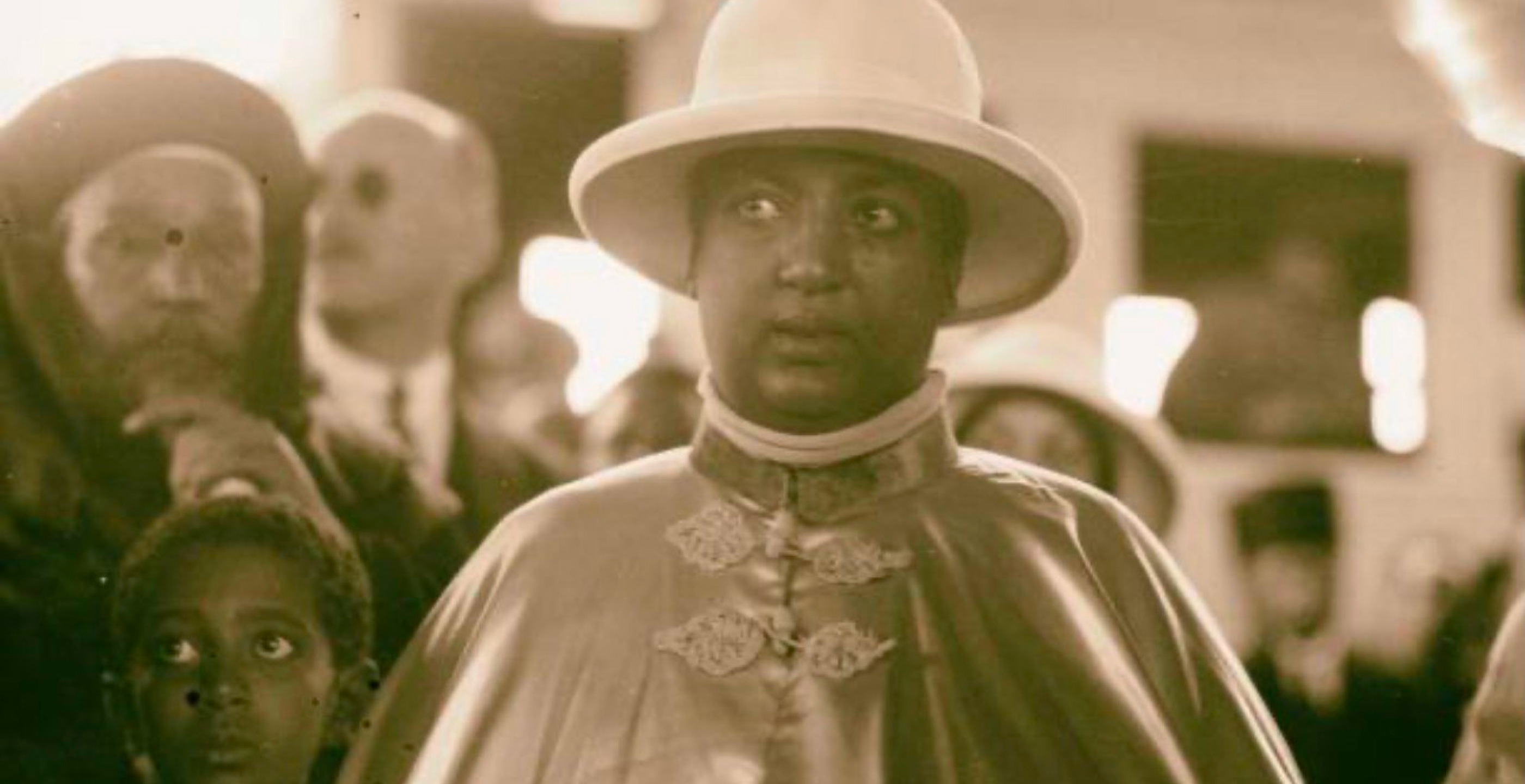
I selected Empress Menen as the focal point of this project to illuminate the powerful and often overlooked contributions of women throughout history. As an Ethiopian with familial ties to the era of Ethiopia's last monarchy, I feel a deep connection to this significant chapter marked by global and cultural influence. Empress Menen's remarkable presence during this transformative period makes her a captivating figure for exploration. This project examines her legacy and the narratives that have been both recorded and left unsaid.
Developing this project has profoundly deepened my understanding of the critical importance of representation, particularly regarding African women in leadership roles. Empress Menen’s legacy continues to resonate powerfully in Ethiopia and in global conversations about women's empowerment and social justice.
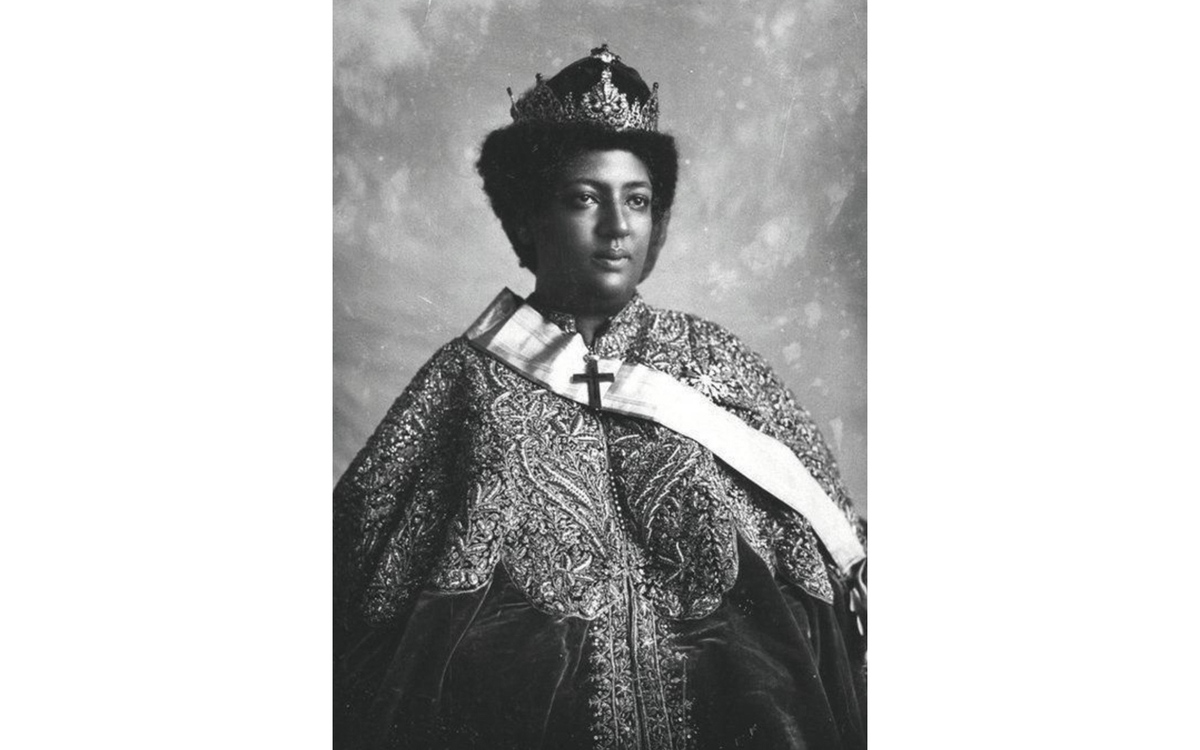
Menen Asfaw was born on April 3, 1889, in Wollo, Ethiopia, and passed away on February 15, 1962, in Addis Ababa. She was the daughter of Woizero Sehin Mikael, a descendant of King Mikael of Wollo, and her father was a nobleman who ascended the ranks of Ethiopia's aristocracy. Empress Menen was renowned for her observant and composed demeanor. She exemplified silent leadership, effectively balancing traditional Ethiopian values with the progressive modernization of her time, navigating an environment where outspoken women in high positions were often resisted.
As the empress alongside Emperor Haile Selassie, she played a crucial role behind the scenes in shaping Ethiopia's social and humanitarian foundations. Empress Menen was particularly instrumental in advocating for girls' education and collaborating with the Red Cross to establish institutions that included schools, hospitals, and churches. Her steadfast presence and quiet strength redefined leadership with dignity, empathy, and solid strategic insight.
Empress Menen’s life was characterized by significant transformations, shaped by both political and personal changes. She faced multiple marriages and widowhood early on. Even after marrying Haile Selassie, there were continued efforts to arrange her marriage to others, illustrating the socio-political landscape for women in aristocratic circles. The Italian occupation of Ethiopia under Mussolini intensified these transformations, as the country faced grave dangers. During this tumultuous time, Empress Menen emerged as a humanitarian leader, organizing medical aid and social relief through the Ethiopian Red Cross.
Amidst political turmoil, she bore immeasurable personal loss, including the deaths of two children and grandchildren, which profoundly affected her worldview and intensified her dedication to education and healthcare. Instead of retreating from public life, she transformed her grief into a powerful service to her community. Her extensive networks, bolstered by the Ethiopian Orthodox Church, significantly influenced her efforts in humanitarian work.
Overview
Menen Asfaw was born on April 3rd, 1889, in Wollo, Ethiopia, and died on February 15th, 1962, in Addis Ababa, Ethiopia. Her mother was Woizero Sehin Mikael, the daughter of King Mikael. The empress's father was a nobleman who worked his way up in a prominent Society. Menen was known for her observant, quiet, and poised nature. She was a silent leader who championed the bridge between modernization and traditionalism at a time when women in prominent societal positions were ridiculed for being outspoken or not following linear ways of being and thinking. With Menen's ideals and observant nature, she championed modernization in her partnership with the emperor Haile Selassie, who was behind many political chess moves behind the scenes. Her contributions to society for young girls receiving healthcare education and for navigating being a public figure as a woman were ahead of her time.
less
Personal Information
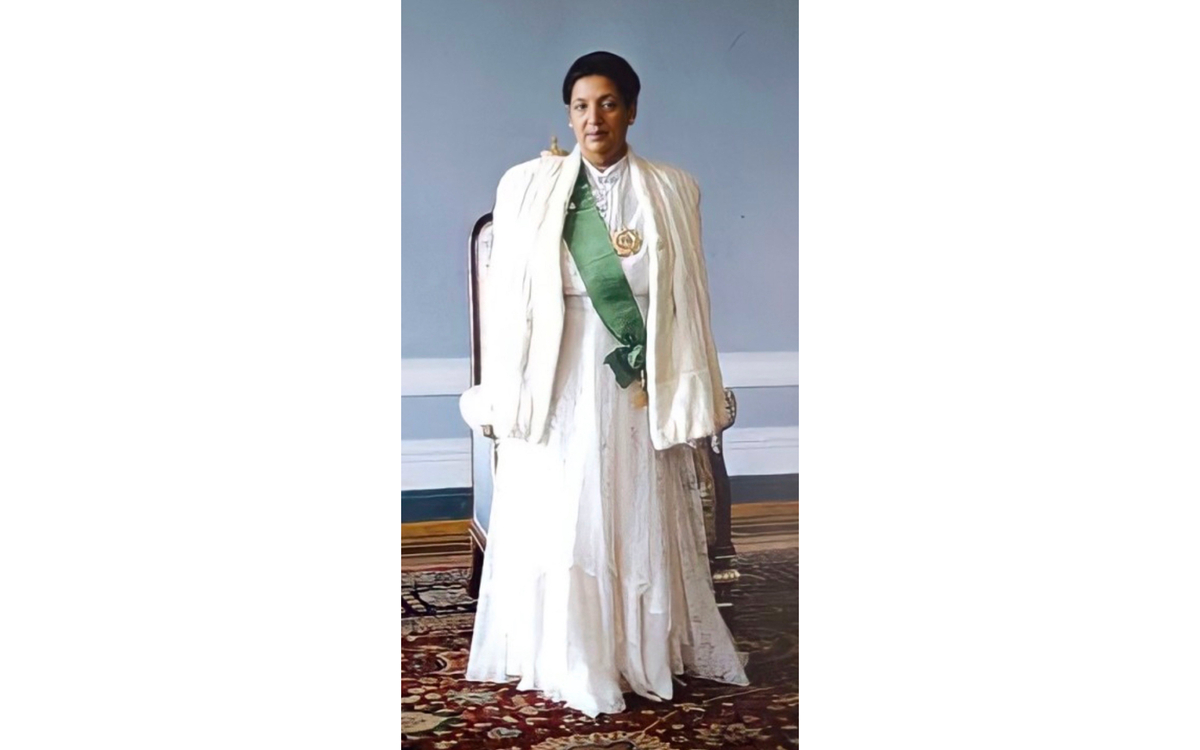
Date and place of birth: April 3, 1889, in Wollo, Ethiopia
Date and place of death: February 15, 1962, in Addis Ababa, Ethiopia
Family
- Mother: Woizero Sehin Mikael (her father) was King Mikael of Wollo.
- Father: Asfaw, Jantirar of Ambassel
Marriage and Family Life:
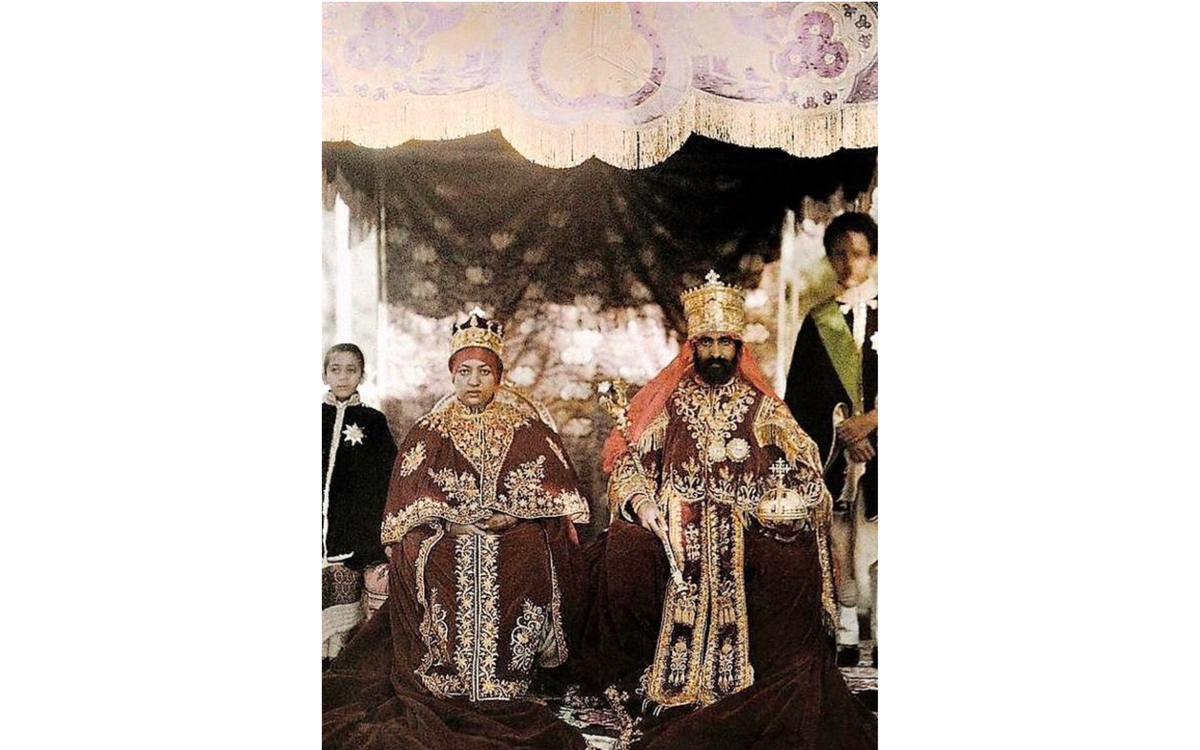
Empress Menen’s first marriage to Dejazmach Ali Mohammed of Cherecha was arranged and ended in divorce. Her second marriage to Dejazmach Amede Ali Aba-Deyas was also arranged. In 1911, she married her third husband, Emperor Haile Selassie.
Empress Menen had ten children, including Princess Tenagnework, Crown Prince Asfaw Wossen (later Emperor Amha Selassie), and Princess Tsehai. Each child played a significant role in Ethiopian history and governance.
Queen Menen was part of the noble family, meaning she and Emperor Haile Selassie were distant relatives, as was common among royalty. She is directly related to King Mikael through her mother. She was the granddaughter of King Mikael of Wollo, 1850—September 1918.
Education: Empress Menen’s self-taught education was limited and considered informal; her life experience was shaped within a royal family and the Ethiopian Orthodox religion. However, she later founded Menen School for Girls, which merged traditionalism with modernization. Despite her limited formal education, Empress Menen was literate and, throughout her life, loudly advocated for women's education.
Religion: Ethiopian Orthodox Christianity
Transformation(s):
Queen Menen's life was filled with extremes, from multiple marriages to the loss of her husband before her arranged marriage to Haile Selassie. Even after her third union, there were attempts to have her arranged once more. Another transformation was the challenges posed by Mussolini's colonization of Ethiopia. Before the Italian occupation, she was a patron of the Red Cross. Queen Menen used her societal position to challenge normalization within the institution by advocating for formal education for women (education she did not receive) and challenging gender norms by pushing for women's schools and health.
She also suffered from the loss of two children and grandchildren. Facing immense loss is a transformational event that also occurred during her reign.
Contemporaneous Network(s):
Menen was deeply rooted in religious and political networking in Ethiopia. Her familial and church connections amplified her influence.
She also frequently engaged in foreign engagements, bridging the gap for Ethiopia on an international level. Adding to this, she crossed traditionalism with modernization, advocating for her ideals about society in a roundabout manner rather than a forward manner, as she could have been met with immense pushback. She was quiet and would use her networks behind the scenes.
less
Intellectual, Political, Social, and Cultural Significance
Works/Agency: Queen Menen was the sole reason for founding schools for girls, hospitals, and churches. She advocated for women’s education, promoted literacy and vocational training, and participated in humanitarian work during the Italian occupation. She insisted on the preservation of Ethiopian culture and traditions within these institutions. The empress was also a patroness of the Ethiopian Red Cross and provided Medical Aid throughout the country. She helped people experiencing poverty and people with disabilities frequently.
Contemporaneous Identifications: Devout Christian and supporter of women's rights
Reputation: During her life, Menen and the emperor were met with respect and honor for their calm demeanor and advocacy for education. Although she has not been studied as often, her legacy is revered throughout the country's contemporary struggles.
Legacy and Influence: Queen Menen's legacy continues in the schools and institutions named after her that provide girls with an education, such as the Red Cross, which she helped establish to support women’s health in Ethiopia. She advocated for the Women’s Red Cross association and demanded that women receive formal education. Most notably, the “Empress Menen School for Girls,” which she founded.
less
Controversies
Controversy:
Queen Menen was not regarded as a controversial figure or experienced controversy. However, her outspoken support for women's rights and education was met with setbacks instantly. The Italian occupation during her rule posed challenges and resistance throughout her life. She fought back, and her legacy remains as it was during her tenure.
Empress Menen did not abide by the previously established ways of operating during her reign. She was less outspoken because of the turmoil caused by the past empress and the controversy she sparked. Her observational sense contributed skillfully to avoiding controversy that could affect public standing.
However, in 1960, she was placed on house arrest due to a guard coup attempt on her husband, Emperor Haile Selassie. Following this, she was accused of knowing the favoritism towards her son, a suspicion that never left her son's reputation, creating sadness for Menen.
New and Unfolding Information and/or Interpretations: Most recently, there has been greater attention to her legacy and contributions, including the surge in awareness of women’s rights worldwide, as well as to documents that date back and solidify her presence within the royal institution. There are also Black History Month tributes in Atlanta, pan-Africanism organizations, and pop culture, celebrating her name and meaning for women everywhere. Most recently, Lauryn Hill’s performance at the BET Awards showcased Portraits of Empress Menen in the background (2024) and the Hulu documentary “Grandpa was an Emperor” (2023).
less
Clusters & Search Terms
Clusters: Ethiopian history, royalty, strong women, leaders, African leaders, Christianity, African royalty, women, figures of early African leadership, Influential consorts in history
Search Terms: Ethiopian queens, Empress Menen, Haile Selassie, the Ethiopian Orthodox Church, Wollo, women’s education in Africa, anti-colonial resistance, and 20th-century Ethiopian history
less
Bibliography
Primary (selected):
Ethiopian Orthodox records
Ethiopians for Constitutional Monarchy. “In memory of Her Imperial Majesty Empress Menen.” Facebook, February 15, 2024. https://www.facebook.com/photo.Php?fbid=713634064235731&id=100067674303484&set=a.581248557474283.
Marks, Constance, dir. Grandpa Was an Emperor. United States, 2021. https://www.imdb.com/title/tt27449931/.
My father is the direct primary source of my family.
less
Bio

Merone Mesfin is an American actor and performer with a rich foundation in theater and now film/ television. Beginning her career as a child in musical theater, she has swiftly honed her craft across various disciplines. Fluent in multiple languages, Merone seamlessly merges her creative endeavors with research and advocacy, focusing on culturally significant narratives. Her projects reflect an unwavering commitment to elevating women’s voices and shedding light on historical narratives that demand recognition.
Comment
Your message was sent successfully