

The Lives of Sunity Devee and Sita Rathnamal
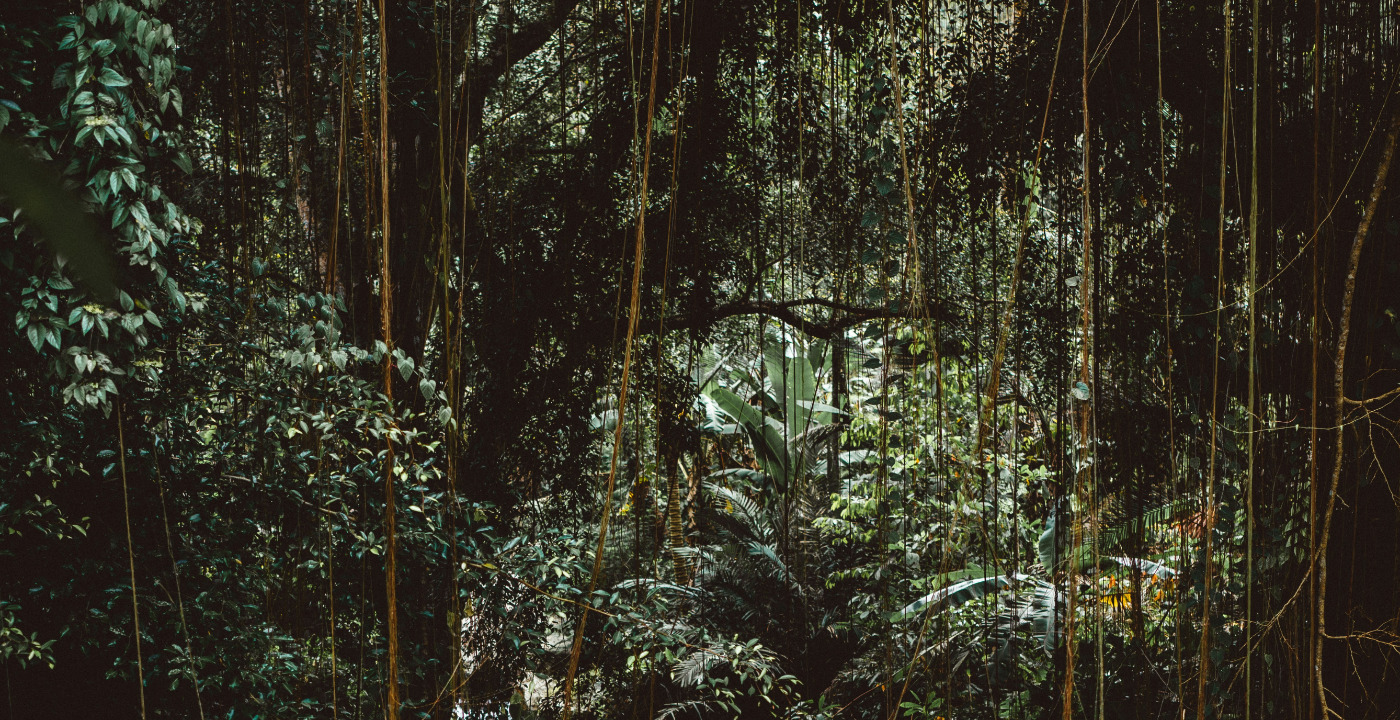
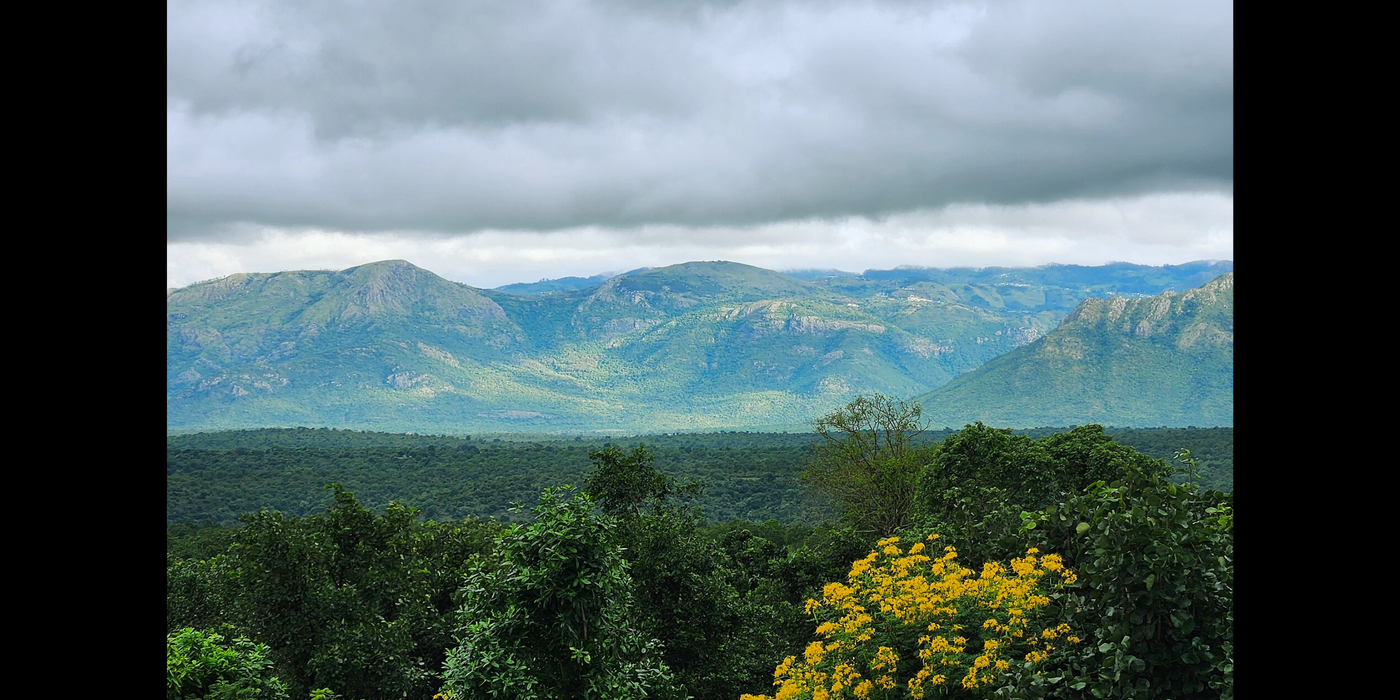
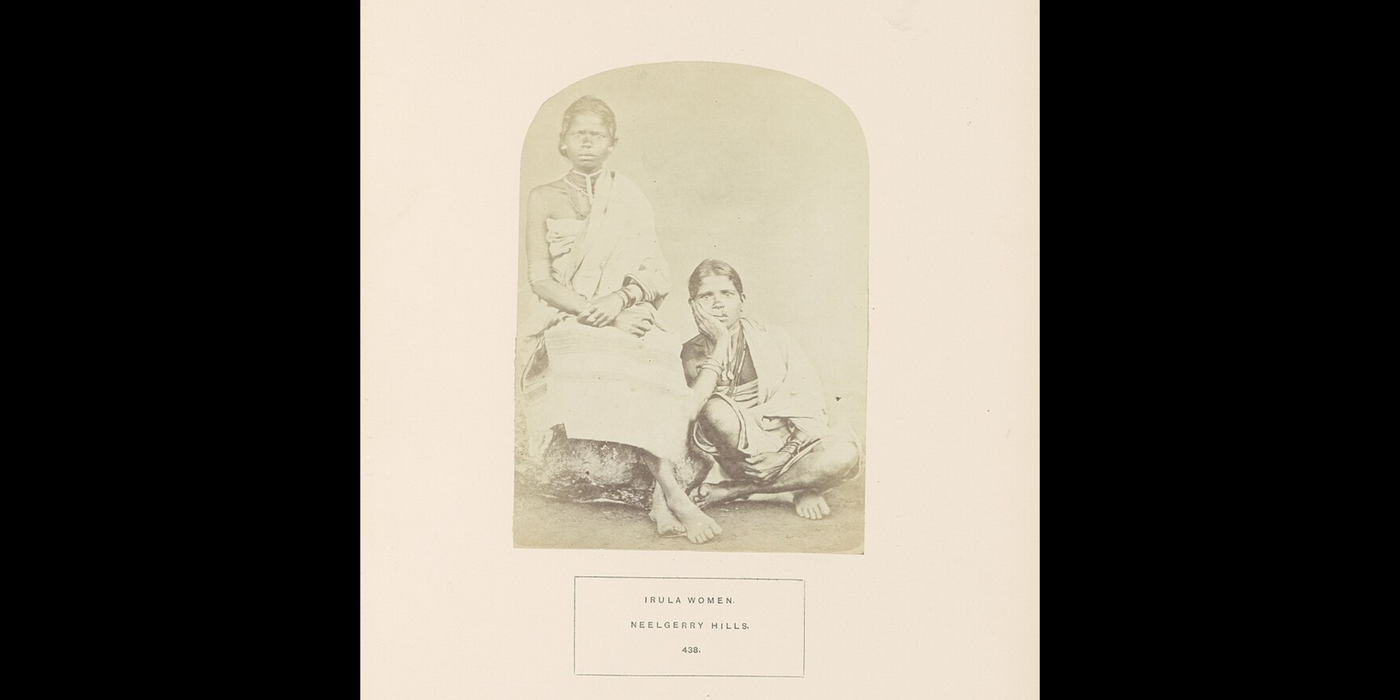
As a scholar researching women’s writing, I often return to a title that troubles me, though at first I could not articulate why. It is Beyond the Jungle: A Tale of South India, Sita Rathnamal's 1968 memoir. Though this title seems innocuous enough, promising a regional tinge without disturbing its presumed audience, the vagueness itself is what’s so concerning. When I leafed through the pages of the memoir, I discovered Sita was an Irula person, a name she poignantly describes as signifying the dark skin of her tribe: “dark people living in a dark forest,” she writes. Born into one of the Nilgiri Hills’ forest-dwelling tribal communities in a thatched hut during the monsoon season, Sita’s first cries were drowned out by rain, perhaps foreshadowing a future of suppressed desires and ambitions. Her path from a village on Rangaswami Peak to an English-medium convent school and ultimately to nurse training in urban Madras (now Chennai, capital of Tamil Nadu) is remarkable precisely because of her circumstances and her lived experience as an Adivasi woman. Yet, that identity appears nowhere on the cover of the memoir published by William Blackwood and Sons.
I stumbled upon this rather conspicuous erasure while preparing for my doctoral oral qualifying exams. I was reading through a long list of twentieth-century Indian women’s life-writing, an experience that I now believe changed my notion of history. Then I placed Rathnamal’s book beside another memoir from my list, and the contrast stopped me dead in my tracks.
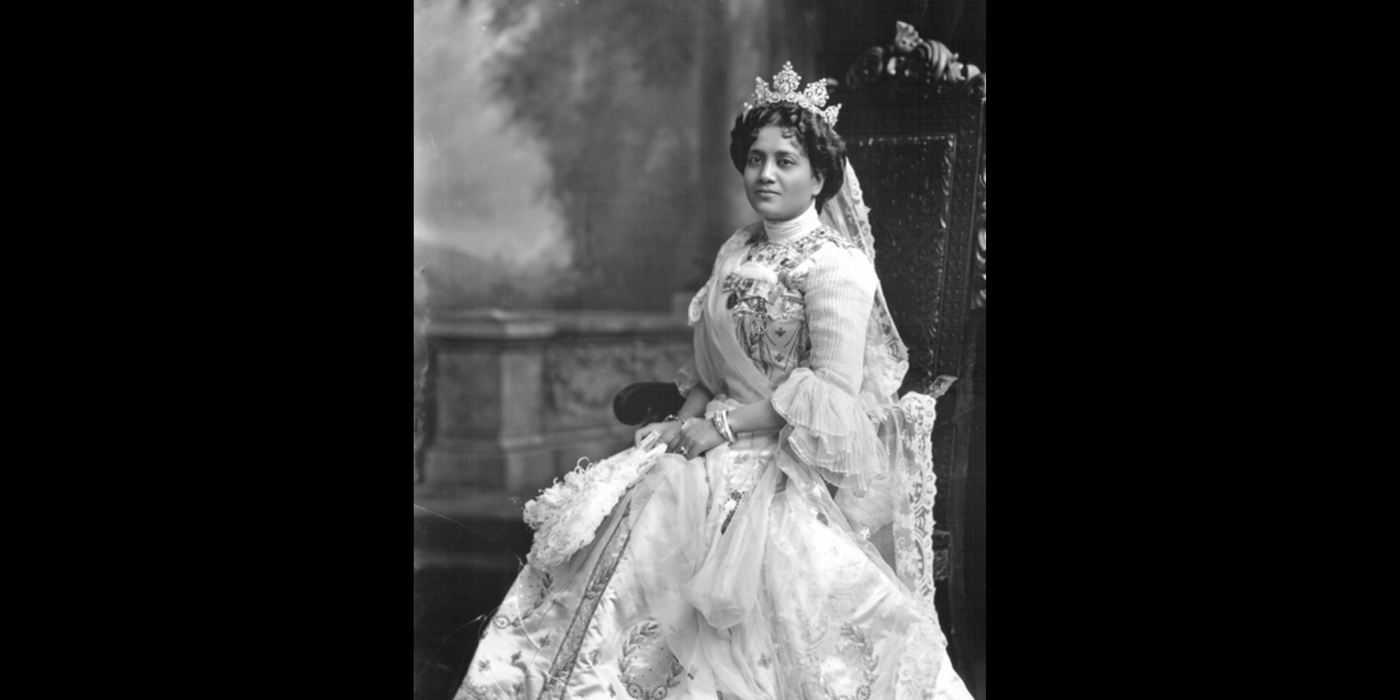
In 1921, nearly fifty years earlier, the Queen of Cooch Behar, Maharani Sunity Devee, published The Autobiography of an Indian Princess with the prestigious London firm John Murray. Her title, in contrast to Sita’s, announced exactly who she was, presenting her royal status like a badge. The memoir begins with markers of princely opulence, foregrounding her aristocratic lineage: she was the daughter of a famous religious reformer, Keshub Chunder (Chandra) Sen; received a colonial education at Bethune College; and later married into royalty, surrounded by English attendants and sprawling gardens set against the Himalayan backdrop. She wrote explicitly for her “Western readers,” patiently explaining Indian customs while recounting her attendance at “beloved Queen-Empress” Victoria’s Golden Jubilee Ceremony in 1887. Both Sita Rathnamal and Maharani Sunity Devee spent a significant part of their lives in the hills, yet their experiences could not have been more different.
Reading What Cannot Be Said
I keep returning to a scene in Sunity Devee’s memoir for what it reveals–and partly for what it cannot say. She is at the State Ball at Buckingham Palace, wearing a gown chosen by her husband, terrified not of grandeur, but of something more specific. The Prince of Wales sends word asking her to dance, and she must refuse because she has never learned. The Prince’s invitation is followed by that of King George of Greece and the Crown Prince of Denmark, both of whom she had to decline. Each refusal increases her anxiety as an outsider. Princess Alexandra comments on her “tiny little feet,” and Sunity Devee writes that she suddenly felt “as if I were all feet,” unable to conceal her shoes beneath the skirt she then deemed too short in length.
The scene is charming, even playfully humorous. However, I wondered what was left unwritten? What tensions had to be smoothed into this narrative of grateful wonder? Throughout the memoir, she performs an extraordinarily curated balancing act. She makes herself exotic enough to pique the interest of her Western, mainly British readers, while clinging to the conservative Indian standards of propriety that her position demanded. She repeatedly assures readers of her unmitigated “devotion to Indian home-life,” calls herself “the zenana lady” in Cooch Behar while describing how she embraced “advanced Western ideas” in Calcutta (modern-day Kolkata in West Bengal) and Darjeeling. What political opinions had to remain unspoken in a book read in both London drawing rooms and Indian palaces in the colonial era?
Sita Rathnamal’s constraints were different, though no less profound, and reading her memoir feels like encountering a completely different kind of silence. Where Sunity Devee opens with architectural descriptions and careful social positioning, Rathnamal begins with elemental forces of nature: monsoon rain, the darkness of the forest, a world bound by the calls of the jackal and the rhythms of drums. At nine, she fell into a British-abandoned gold mine shaft, and her rescue brought her to a hospital in Coonoor. It is there that I encounter language that makes me physically uncomfortable. The doctor who treats her, a man who is clearly well-meaning, even kind, who teaches her Tamil and English during her long convalescence and becomes in many ways her advocate, describes her in his conversations with the nurses as “a little creature out of India’s past” and jokes about “this little animal that falls down holes in the jungle.”
The Violence of Transformation
I cannot stop thinking about the school scenes, particularly the moment when Rathnamal wins the marathon, breaking the school record. Her Christian convent teacher, Miss DeVaz, who has spent the year expressing contempt for Sita as a “Badaga,” an outsider from the forest who has “been sent by the Government to be educated” among missionary-educated upper-class girls, grudgingly concedes that Sita’s achievement stems from her tribal lineage. Earlier in the memoir, we learn that this same Miss DeVaz beat Rathnamal’s hand with a ruler until her hands became too crooked and painful to even grasp a pen. The message could not be clearer: your body can perform, your physical strength might be acknowledged, but your mind, your learning capacity, and your right to receive education all remain in question.
The memoir also tells us, though in characteristically understated language, that she could not marry the love of her life, for he was a Tamil Brahmin and she was an Irula, an outcast by all accounts. The entire book traces her attempts to find footing in a world that simultaneously tries to strip her of her ties to the forest and never let her forget her origins. There is a particular violence in that double bind, in being told that you must transform yourself entirely while being constantly reminded that no transformation will ever be enough, that your roots will always mark you.
Both women, in different ways, wrote about displacement and the necessity of navigating two worlds. Sunity Devee moved between Indian and British society, between the traditional expectations imposed on a Maharani and the newer possibilities represented by her education and travels. Rathnamal was severed from her Irula community by education and circumstance, yet was never truly accepted by the “civilised” world that had educated her. Both shaped narratives around what they believed their readers could bear to learn–and both left crucial things unsaid. However, the nature of their silences is profoundly different. Sunity Devee chose strategic discretion to maintain her position and respectability within enormous privilege. Rathnamal’s very identity was deemed unspeakable by publishers who made the decision to erase it from her book’s cover, to make her story acceptable by making her invisible.
What We Are Still Not Saying
This pattern has not disappeared. As I continue researching women’s life-writing, I see how memoirs by certain contemporary Indian women are celebrated for their ‘lyrical’ prose and ‘universal’ themes, but their class position and access to English-language education somehow remains unmentioned, as though these things are not a part of the story being told. Meanwhile, women writing from the margins continue to navigate variations of the same impossible double bind that Rathnamal faced nearly sixty years ago, where their very identities make their stories seem “particular” rather than “universal,” “regional” rather than “relatable.”
The question I wrestle with is not about why we do not hear more diverse voices, because we know the answer already: institutional barriers, economic realities, all the ways that power shapes and limits access to publication. The question that haunts me is at once simpler and more painful: what does it do to a person and to a story when the price of being heard is making yourself unrecognisable? When telling your story requires you to first hide who you are?
Debadrita Saha is a PhD candidate in English Literature at Ashoka University. She was formerly an Assistant Professor at Brainware University. Debadrita has published in the Journal of Intercultural Studies (Taylor & Francis), Genre en series (Open Editions) and Rejoinder (Rutgers University). Her essay on parallaxes of consent in medieval Bengali literature appeared in Reconsidering Consent and Coercion in Medieval Literature (Brepols, 2025). She also serves on the editorial board of the Journal of the Motherhood Initiative (Demeter Press).